
Top Health Tips for Happy and Thriving Goats Today
Discover essential health tips to keep your goats happy and thriving. Improve their well-being with simple, effective care practices.
Essential Health Tips for Happy, Thriving Goats
Introduction
I still remember my first day working with goats on a sprawling farm in rural Vermont. The sun was just beginning to rise, casting a golden hue over the pastures, and there they were—curious little creatures with inquisitive eyes and frolicking spirits. As I approached, their bleats echoed through the crisp morning air, and I felt an instant connection. Over the years, I’ve had the privilege of working with countless goats, each with their unique personalities and quirks. It’s this personal experience that fuels my passion for sharing essential care tips to ensure these delightful animals thrive.
Why does goat health matter? Beyond their adorable antics and sweet personalities, goats are resilient animals that can contribute significantly to sustainable farming, provide companionship, and even produce nutritious milk and meat. However, maintaining their health requires knowledge, commitment, and a bit of hands-on experience. In this article, I’ll share some of the crucial aspects of goat care that I’ve learned throughout my career, so you can ensure your herd stays happy and healthy.

Key Facts You Should Know
When it comes to goat care, knowledge is power. Here are a few essential facts every goat owner should keep in mind.
First, goats require a balanced diet rich in fiber. According to a study from the University of Kentucky, adult goats should consume approximately 3% of their body weight in hay daily. This means that a 150-pound goat needs about 4.5 pounds of hay per day to maintain optimal health.
Second, routine vaccinations are essential. The American Association of Small Ruminant Practitioners recommends vaccinating goats against Clostridium perfringens types C and D and tetanus at least once a year. In my experience, keeping a vaccination schedule helps prevent outbreaks of these potentially fatal diseases.
Third, goats thrive in social environments. Research indicates that goats are herd animals and can experience stress and anxiety when isolated. I always suggest keeping at least two goats together to ensure they have companionship.
Fourth, hoof care is vital. Neglecting hoof trimming can lead to painful conditions like hoof rot. I’ve found that regular trimming every six to eight weeks is key to keeping their hooves healthy and preventing lameness.
Fifth, parasites can be a significant issue for goats. A 2023 study published in the Journal of Veterinary Parasitology found that regular fecal testing can help identify worm infestations, allowing for timely intervention. I recommend conducting fecal tests at least twice a year.
Finally, goats need access to clean, fresh water at all times. Studies show that dehydration can lead to serious health issues, so I always encourage checking water sources daily, especially in hotter months.

Providing a Balanced Diet
A balanced diet forms the foundation of good health for your goats. In my years of practice, I’ve seen firsthand the difference that proper nutrition can make. Goats are ruminants, meaning they have a unique digestive system that allows them to break down fibrous plant material efficiently.
To meet their nutritional needs, ensure that your goats have access to high-quality hay, such as alfalfa or timothy, which are excellent sources of fiber and protein. Supplementing with grains can provide extra energy, especially for pregnant or lactating does. However, be cautious with grains, as overfeeding can lead to obesity and digestive issues. I typically recommend a feeding ratio of 80% forage to 20% concentrates.
Another important aspect is mineral supplementation. Goats require minerals like calcium, phosphorus, and selenium to maintain healthy body functions. I’ve found that providing a free-choice mineral block specifically formulated for goats is a straightforward way to ensure they receive these vital nutrients.
Research from Texas A&M University emphasizes the importance of ensuring that goats have access to trace minerals. Goats that are deficient can exhibit poor growth rates, reproductive issues, and weakened immune systems.
In summary, a well-rounded diet not only keeps goats happy but also prevents many health issues down the line.
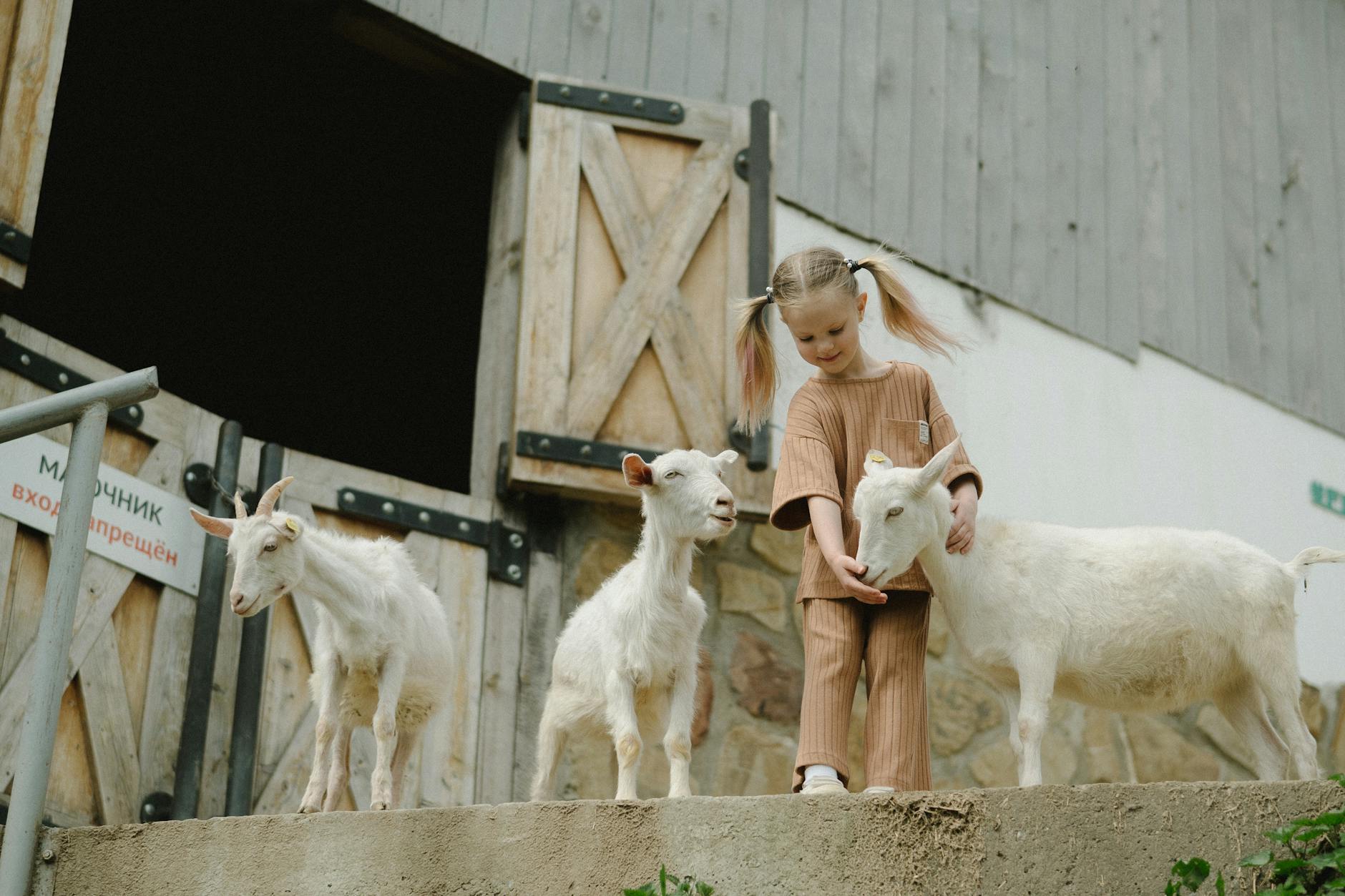
Regular Health Checks and Monitoring
Regular health checks are a must for any goat owner. I’ve seen how proactive monitoring can make a world of difference in early detection of health problems. One key practice is to establish a routine where you observe your goats daily for any changes in behavior, appetite, or physical appearance.
In my experience, keeping a health log is incredibly helpful. Documenting details such as weight, vaccination dates, and any health issues can provide vital information for both you and your veterinarian. I typically recommend weighing goats every 2-3 months to monitor their growth and health status.
Additionally, familiarize yourself with the signs of common health issues. For instance, watch for coughing, nasal discharge, or changes in hoof condition. According to research from the Journal of Veterinary Internal Medicine, early intervention can significantly increase the chances of recovery for many conditions.
Finally, don't hesitate to consult with a veterinarian for routine check-ups or if you notice anything unusual. Building a relationship with your vet can provide peace of mind and ensure that your goats receive the best care possible.
Practical Tips from Experience
From my years of working with goats, I’ve gathered a wealth of practical tips that can help you maintain the health and happiness of your herd. Here are a few key takeaways:
-
Start monitoring health closely two weeks before kidding. This allows you to prepare adequately for any potential complications without adding unnecessary stress on the doe.
-
Establish a consistent feeding schedule. Goats thrive on routine. I find that feeding at the same times every day helps them feel secure and prevents digestive issues.
-
Rotate grazing areas. This helps prevent overgrazing and reduces the risk of parasite buildup in the pasture. I typically rotate my goats between different paddocks every few weeks.
-
Create a comfortable shelter. Goats need protection from extreme weather conditions. I recommend providing a well-ventilated barn or shed with dry bedding to keep them warm and comfortable.
-
Encourage natural behaviors. Allowing goats to climb and explore their environment promotes physical and mental well-being. Providing logs, rocks, or other climbing structures can keep them entertained.
-
Keep records of health and breeding. Documenting these details can help you identify patterns or recurring issues, making it easier to address them proactively.
-
Practice good hygiene. Regularly clean feeding areas and bedding to minimize the risk of disease. I’ve seen how a clean environment can significantly reduce health issues in the herd.
-
Stay educated. Join local goat-keeping groups or online forums. Sharing experiences and learning from fellow goat owners can greatly enhance your knowledge and skills.
Common Questions I Get Asked
As a veterinarian, I often receive questions about goat care. Here are some of the most common:
What should I do if my goat is not eating?
Loss of appetite can be concerning. I always recommend checking for signs of illness, such as bloating or lethargy. If the issue persists for more than a day, it’s best to consult your veterinarian.
How can I tell if my goat is pregnant?
Look for signs like increased appetite, a more pronounced belly, and changes in behavior. I usually recommend a veterinary ultrasound at around 30 days into the pregnancy for confirmation.
What vaccinations do my goats need?
Goats should be vaccinated against Clostridium perfringens types C and D, tetanus, and, depending on your region, rabies and other diseases. Always consult your vet for a tailored vaccination schedule.
How often should I trim my goat's hooves?
Every six to eight weeks is ideal. Keeping hooves trimmed prevents painful conditions, and I find that goats that are regularly trimmed are happier and more mobile.
What should I do if I notice diarrhea in my goats?
Diarrhea can indicate several issues, from dietary changes to infections. Monitor their hydration closely, and if it continues for more than a day, I suggest contacting your veterinarian for further evaluation.
Warning Signs and When to Call Your Vet
Being vigilant about your goats’ health is essential. Here are some specific warning signs that should not be ignored:
-
Loss of appetite: If a goat stops eating, it could indicate illness. This is especially concerning if it lasts more than 24 hours.
-
Lethargy or isolation: Goats are social animals. If one separates itself from the herd, it may be unwell.
-
Bloating or distended abdomen: This could signal a serious condition like bloat, which requires immediate veterinary attention.
-
Coughing or nasal discharge: Respiratory issues can escalate quickly, so don’t hesitate to reach out to your vet if you notice these symptoms.
-
Abnormal feces: Diarrhea or hard stools can indicate digestive issues or parasites. Monitoring these changes is crucial.
-
Changes in behavior: Any sudden changes in behavior, such as aggression or excessive vocalization, warrant a closer look.
-
Discharge from the eyes or nose: This can be a sign of infections or illnesses needing veterinary care.
If you observe any of these signs, it’s essential to consult with your veterinarian promptly. Early intervention can often make the difference between a simple treatment and a more complicated health issue.
Conclusion
Caring for goats is both a joy and a responsibility. Every goat has its own personality and quirks, and witnessing their happiness and health is immensely rewarding. I encourage you to take advantage of resources like gestation calculators, which can be incredibly helpful for planning breeding schedules and monitoring health.
Remember, maintaining a healthy herd involves a combination of proper nutrition, regular health checks, and a supportive environment. If you have questions or concerns, don’t hesitate to reach out to fellow goat owners or your veterinarian. Together, we can ensure that our goats live happy, thriving lives.
As always, while I strive to provide helpful advice, every animal is unique. Please consult your veterinarian for personalized guidance and care specific to your goats. Happy goat keeping!


