
Build a Cozy Pig Pen for Happy and Healthy Pigs
Learn essential tips for creating a comfortable pig pen that promotes health and happiness for your pigs. Your pigs deserve the best care!
Creating the Perfect Pig Pen: Comfort and Care Tips
Introduction
I’ll never forget the first time I stepped into a pig pen that I had helped design for a local farmer. The pigs were lounging comfortably in their clean, spacious enclosure, and there was an unmistakable sense of contentment in the air. The farmer beamed with pride, sharing stories of how the improvements had led to healthier pigs and increased productivity. It was a moment that reinforced my belief in the importance of creating an environment that promotes both comfort and care for these incredible animals.
In my years of working with pigs, I’ve seen how a well-designed pig pen can dramatically improve their health and well-being. Pigs are intelligent, social creatures that thrive in environments that cater to their natural behaviors. A thoughtfully constructed pen not only ensures their comfort but also enhances their overall quality of life. As farmers and animal owners, understanding how to create the perfect pig pen is paramount, and it’s a topic that deserves our attention.
Key Facts You Should Know
Creating a comfortable pig pen is not just about aesthetics; it’s about making informed decisions based on pig welfare. Here are some essential facts to consider:
-
Space Matters: According to the National Pork Board, each pig should have a minimum of 8 square feet of space in a pen to prevent overcrowding and promote natural behaviors.
-
Temperature Control is Essential: Pigs are sensitive to temperature extremes. Ideally, the pen should maintain a temperature between 60°F and 75°F. A 2023 study from the Journal of Animal Science found that pigs exposed to extreme temperatures showed increased stress levels and reduced growth rates.
-
Bedding is Key: Providing adequate bedding can reduce stress and promote comfort. Research indicates that straw or wood shavings are particularly effective at absorbing moisture and providing insulation.
-
Social Needs: Pigs are social animals. Studies suggest that keeping them in groups of 3-6 can help reduce anxiety and aggressive behaviors, improving overall health and productivity.
-
Ventilation is Crucial: Proper ventilation in the pig pen helps reduce ammonia buildup, which can lead to respiratory problems. Experts recommend ensuring a minimum air exchange rate of 4 to 6 times per hour.
-
Access to Clean Water: Pigs require approximately 2 to 5 gallons of water per day, depending on their size and activity level. Installing automatic waterers can help ensure they always have access to fresh water.
-
Regular Cleaning: A clean pen is a healthy pen. Studies show that regular cleaning reduces the risk of disease transmission and creates a more pleasant environment for the pigs. Aim to clean the pen at least once a week, or more frequently if necessary.
 Image 1: A well-maintained pig pen promotes comfort and health.
The Importance of Space and Layout
In my experience, the layout of a pig pen can significantly influence the behavior and health of the animals. A cramped space can lead to stress, aggression, and a higher incidence of disease. I often advise farmers to consider not only the size of the pen but also how it’s arranged.
A rectangular layout with designated areas for feeding, resting, and waste can help pigs establish routines and reduce competition for resources. Additionally, incorporating areas for enrichment, such as toys or rooting opportunities, can keep pigs mentally stimulated. I’ve seen firsthand how these simple changes can lead to happier, healthier pigs, ultimately improving their growth rates and productivity.
Research from the University of Illinois confirms that pigs kept in enriched environments exhibit fewer aggressive behaviors and are less prone to stress-related issues. By giving pigs room to roam and explore, we can foster their natural instincts, which is a win-win for both the animals and the farmers.
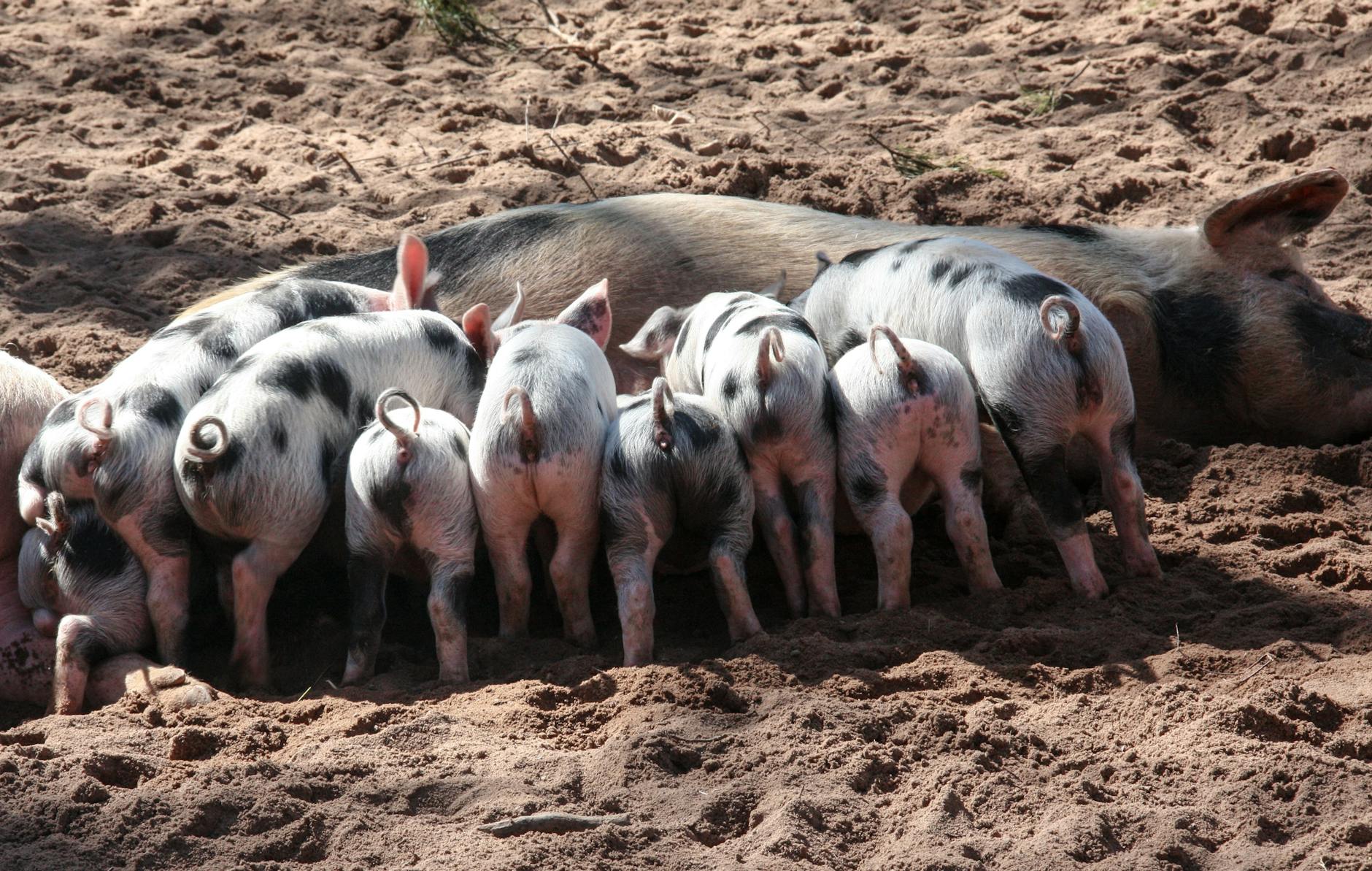 Image 2: Proper layout enhances pigs' natural behaviors and reduces stress.
Ensuring Comfort with Bedding and Shelter
Bedding is often an overlooked aspect of pig pen management, but it plays a crucial role in the comfort and health of your pigs. Pigs love to root and nest, so providing appropriate bedding material can help fulfill these natural behaviors. I've found that straw or wood shavings work best, as they provide insulation and absorb moisture effectively.
Moreover, pigs are prone to hoof problems if they are kept on hard, wet surfaces for extended periods. Ensuring that your pen has adequate bedding can help prevent these issues and promote better overall health. According to a study published in the Journal of Swine Health and Production, pigs that had access to deep bedding exhibited fewer signs of lameness and overall discomfort.
Creating sheltered areas within the pen is also essential. Pigs need a cool and dry place to escape from the sun or rain. A simple roof over part of the pen can make a world of difference in their comfort levels. I’ve seen how providing these little comforts enhances their well-being and encourages natural behaviors, such as nesting and foraging.
 Image 3: Proper shelter and bedding are vital for pig comfort.
Practical Tips from Experience
Creating the perfect pig pen isn’t just about following guidelines; it’s about understanding pigs as individuals with specific needs. Here are some practical tips I’ve gathered over the years that can help ensure your pigs are comfortable and well-cared for:
-
Start with Proper Planning: Before building or renovating your pig pen, consider the number of pigs you plan to house and their growth rates. This foresight can prevent overcrowding as your pigs mature.
-
Monitor Temperature Regularly: Invest in a reliable thermometer to keep track of the pen's temperature. If the temperature starts to rise above 75°F, consider adding fans or misters to keep the pigs cool.
-
Choose the Right Bedding Material: I always recommend using straw during colder months and switching to wood shavings in warmer months. This switch helps regulate the temperature and moisture levels effectively.
-
Implement a Cleaning Schedule: Set a regular cleaning schedule to maintain hygiene in the pig pen. I’ve found that a weekly deep clean, along with daily spot checks, helps keep the environment healthy.
-
Provide Enrichment: Incorporate toys, rooting areas, and obstacles in the pen. Pigs are intelligent and need stimulation to prevent boredom. I’ve seen pigs thrive in environments where they can engage with their surroundings.
-
Regularly Check Water Supplies: Ensure that waterers are functioning correctly and are easily accessible to all pigs. Check them multiple times a day, especially during hot weather.
-
Observe Social Dynamics: Keep an eye on how pigs interact within their group. If you notice aggressive behavior, consider separating individuals to prevent injuries.
-
Educate Yourself: Stay updated on the latest research and best practices in pig care. Joining local farming groups or attending workshops can provide valuable insights and foster a sense of community among pig owners.
Common Questions I Get Asked
What’s the best flooring for a pig pen?
In my experience, a combination of concrete and bedding works well. Concrete provides a solid base for cleaning, while deep bedding adds comfort and insulation.
How often should I clean the pig pen?
I recommend a thorough cleaning at least once a week, with daily spot checks to remove waste and soiled bedding. Keeping the pen clean is crucial for pig health.
Can pigs stay outside all year round?
Yes, but they need adequate shelter and bedding to protect them from extreme weather conditions. Pigs should have access to shade in the summer and warm, dry areas in the winter.
How can I tell if my pigs are stressed?
Signs of stress can include excessive vocalization, aggression, reduced appetite, and restlessness. It's essential to monitor their behavior closely and make adjustments to their environment as needed.
What’s the ideal group size for pigs?
Research suggests that groups of 3-6 pigs are optimal for maintaining social stability. Too few can lead to loneliness, while too many can lead to competition and aggression.
Warning Signs and When to Call Your Vet
While most issues can be managed with proper care, certain warning signs should prompt a call to your veterinarian. Here are a few to watch for:
-
Persistent cough or nasal discharge: This could indicate respiratory issues that require immediate attention.
-
Lethargy or lack of appetite: If a pig is not eating or appears unusually tired, it may be a sign of illness.
-
Unusual behavior: If your pigs are exhibiting signs of aggression or anxiety, it may indicate stress or health problems.
-
Diarrhea or abnormal feces: Changes in stool consistency can be a sign of digestive issues or infections.
-
Lameness or difficulty moving: Pigs that are limping or unable to stand may have injuries or other underlying health issues.
-
Skin lesions or unusual swelling: Any visible signs of infection or injury should be examined by a veterinarian.
-
Changes in vocalization: Increased or unusual vocalizations can indicate distress or discomfort.
If you notice any of these signs, don’t hesitate to contact your veterinarian. Early intervention can make a significant difference in treatment outcomes.
Conclusion
Creating the perfect pig pen is an investment in the health and happiness of your pigs. By focusing on comfort, space, and proper management practices, you can cultivate an environment that supports their natural behaviors. As you embark on this journey, consider using a gestation calculator to help manage your breeding schedules effectively.
Remember, every pig is unique, and what works for one may not work for another. Take the time to observe your pigs and adapt their environment to meet their specific needs. With care and dedication, you’ll not only improve their quality of life but also enjoy the rewards that come with healthy, happy pigs.
If you have any questions or need further guidance, feel free to reach out. Your commitment to their well-being is commendable, and I’m here to support you along the way.
Disclaimer: This article is intended for informational purposes only and should not replace professional veterinary advice. Always consult with a veterinarian for specific health concerns regarding your animals.


