
Essential Winter Care Tips to Keep Your Pet Rabbit Happy
Discover vital winter care tips to ensure your pet rabbit stays warm and healthy this season. Learn how to keep them comfortable and safe.
Essential Winter Care Tips for Your Pet Rabbit
Introduction
I vividly remember the first winter I had with my pet rabbit, Thumper. He was a curious little creature, hopping around my living room, seemingly unfazed by the cold weather outside. But as temperatures dipped and snow piled up, I quickly realized that keeping him warm and safe was a priority. I spent hours researching rabbit care, learning about their unique needs during colder months. Those early experiences shaped my understanding of rabbit husbandry, and now, as a veterinarian who has worked with countless rabbits, I have a wealth of knowledge to share.
Winter can be a challenging season for our furry friends. Unlike dogs or cats, rabbits have specific requirements when it comes to their environment, especially when temperatures drop. Understanding how to care for your pet rabbit during winter is crucial, not just for their comfort, but for their overall health and well-being. In this article, I'll share essential winter care tips based on my experience, scientific insights, and practical advice.
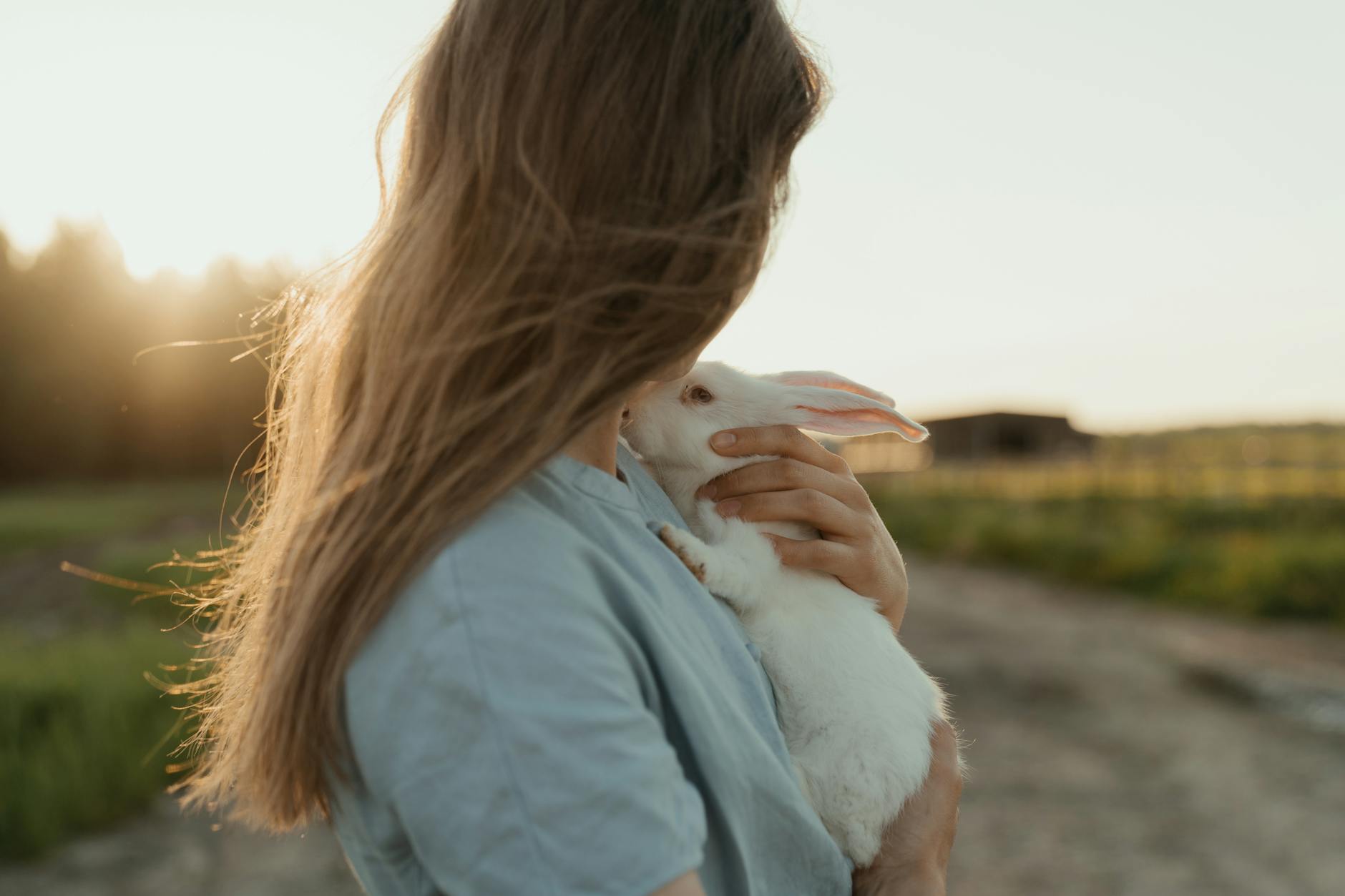
Key Facts You Should Know
First and foremost, it's essential to recognize that rabbits are sensitive to extreme temperatures. Did you know that rabbits can thrive in temperatures as low as 20°F (-6°C) as long as they are sheltered from wind and moisture? According to a 2022 study published in the Journal of Animal Physiology, rabbits have an incredible ability to adapt to cold weather if provided adequate housing and bedding.
Another critical fact is that rabbits can suffer from frostbite. Their ears, being thin and fur-less in certain areas, are particularly susceptible to cold. It's crucial to check your rabbit's ears regularly for signs of frostbite, especially during the harshest winter months.
Additionally, hydration is vital. Rabbits tend to drink less water in winter, which can lead to dehydration. I recommend checking your rabbit's water supply daily and ensuring it doesn't freeze. According to research from the Animal Veterinary Journal, maintaining proper hydration can help prevent urinary issues, which are common in winter.
It's also important to note that bunnies can get bored during the winter months when outdoor exercise is limited. Keeping them mentally stimulated is just as vital as their physical care. Engaging toys and activities can help keep your rabbit entertained and happy.
Lastly, many owners overlook their rabbits' diets during winter. While hay should always be the staple of their diet, fresh greens might not be as accessible in winter. It's essential to have a good supply of hay, and consider fortified pellets if fresh produce is hard to come by during colder months.

Providing a Warm and Safe Environment
Creating a warm environment for your rabbit is one of the most critical aspects of winter care. In my experience, many pet owners underestimate the importance of proper housing. Indoor rabbits should be kept in a draft-free area, away from windows and doorways where cold air can seep in. I always suggest using blankets or insulation materials around their housing for added warmth.
If your rabbit lives outdoors, ensure that their hutch is raised off the ground to prevent cold and moisture from seeping in. Adding straw or hay as bedding can provide insulation and help retain heat. According to the Rabbit Welfare Association, an adequately insulated hutch can keep a rabbit warm even in freezing temperatures.
Additionally, it's essential to monitor the humidity levels in their environment. High humidity combined with low temperatures can lead to respiratory problems. I recommend using a hygrometer to keep an eye on humidity levels, aiming for around 40-60% for optimal rabbit health.
Many breeders have reported success with heat pads designed specifically for pets. These pads can provide a cozy spot for your rabbit to snuggle up to. However, it’s crucial to monitor the temperature to avoid overheating.
Keeping Your Rabbit Hydrated
As I mentioned earlier, hydration is often overlooked during winter. In my practice, I've seen a significant increase in urinary tract issues in rabbits during colder months, often linked to decreased water intake. To ensure your rabbit stays hydrated, consider using a water bottle with a sipper tube, as it's less likely to freeze than a bowl.
I recommend checking the water supply at least twice a day. If you notice your rabbit isn’t drinking as much, try offering warm water or adding a bit of apple juice to entice them. A study from the Journal of Veterinary Internal Medicine highlighted that offering flavored water can increase hydration levels in small animals.
Another great tip is to provide wet greens as part of their diet. Leafy vegetables like romaine lettuce or cilantro not only provide hydration but also add essential nutrients. Just be cautious with the quantity, as digestive upset can occur if rabbits are introduced to new foods too quickly.
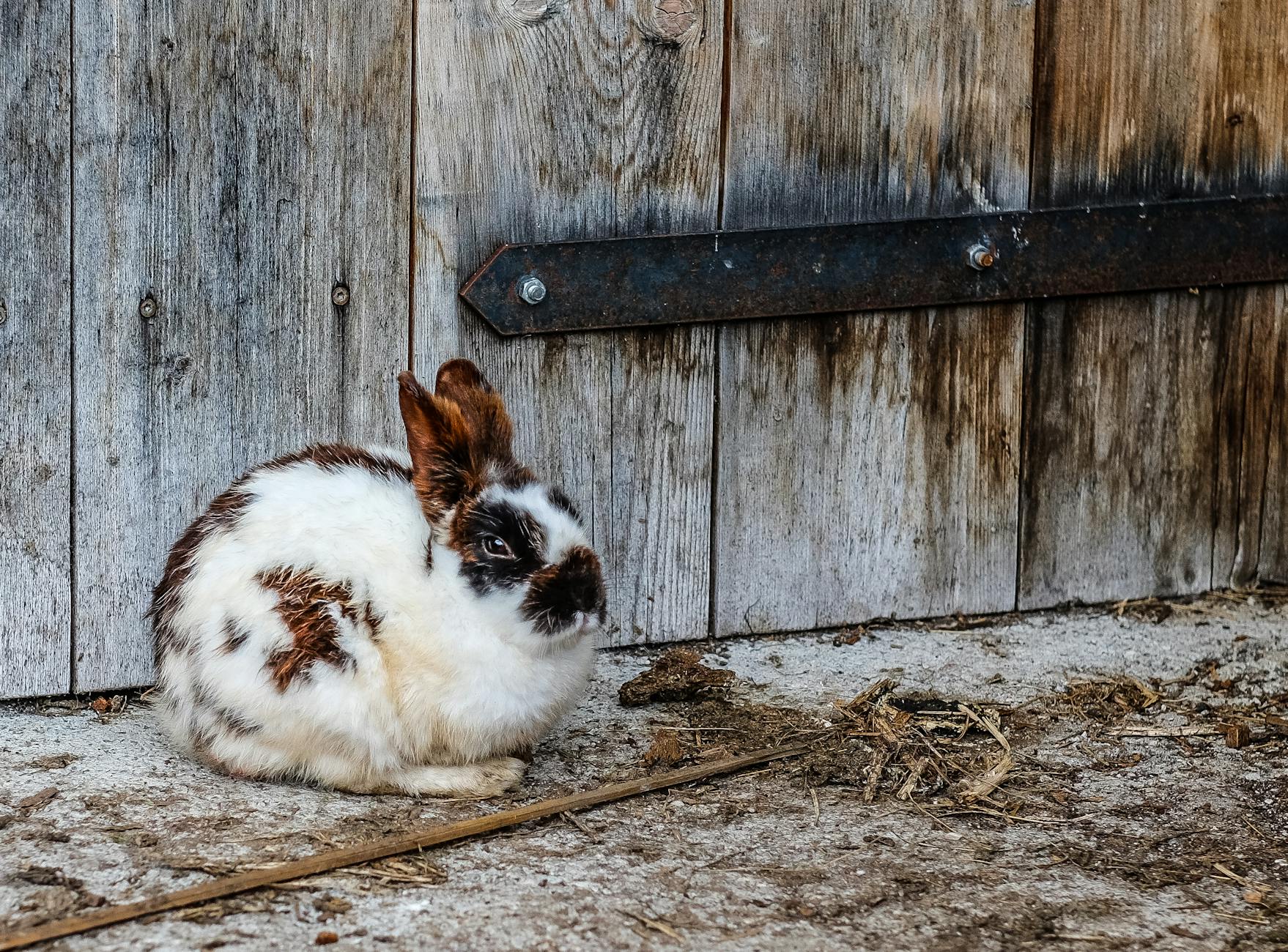
Mental Stimulation and Exercise
During winter, it’s easy for rabbits to become bored due to limited outdoor time. In my experience, I’ve found that providing various toys and activities can make a significant difference in your rabbit's mood and health. Simple items like cardboard boxes, paper towel rolls, or chew toys can keep them entertained.
Engaging with your rabbit through supervised playtime is equally important. I recommend setting aside time each day for play, even if it’s just hopping around the living room or a safe space. This not only provides physical exercise but also strengthens your bond with your furry friend.
Research from the Journal of Animal Behavior shows that rabbits thrive on social interaction, so consider spending time with them daily. Interactive toys that require them to solve puzzles to access treats can also stimulate their minds and keep them engaged.
Practical Tips from Experience
Based on years of caring for rabbits, here are several practical tips to ensure your pet stays healthy and happy during winter:
-
Start monitoring two weeks before the coldest temperatures hit. This gives you enough time to prepare and make necessary adjustments to their living environment.
-
Provide extra bedding. A thick layer of straw or hay can help insulate your rabbit's hutch, keeping them warm throughout the night.
-
Offer warm meals. Consider warming your rabbit’s pellets or offering slightly warmed veggies. This can be comforting during cold spells.
-
Install a heated water bowl. If your rabbit lives outside, a heated bowl can prevent water from freezing, ensuring they always have access to hydration.
-
Increase playtime indoors. As outdoor time decreases, increase the duration of supervised indoor play sessions to keep your rabbit active.
-
Maintain a consistent diet. Ensure your rabbit always has access to high-quality hay and limit the introduction of new foods, which could cause digestive issues during the stress of winter.
-
Check for signs of distress regularly. Be vigilant for any changes in behavior or appetite, as these can indicate health issues.
-
Consider a health check with your vet. If you notice any significant behavioral changes or health concerns, don't hesitate to consult a veterinarian.
Common Questions I Get Asked
One of the most common questions I receive is, "Can my rabbit live outside in the winter?" The answer is yes, but they need proper shelter and care. Make sure their hutch is insulated, raised off the ground, and protected from the elements.
Another frequent inquiry is, "How can I tell if my rabbit is too cold?" Look for signs of shivering, lethargy, or seeking warmth by huddling. If they exhibit these behaviors, it's crucial to bring them indoors until conditions improve.
People often ask, "Is it safe to give my rabbit warm water?" Absolutely! Providing slightly warm water is safe and can encourage them to drink more, especially in the colder months.
Lastly, I often hear, "What should I do if my rabbit seems bored?" Rotating toys, introducing new activities, and spending more time engaging with them can alleviate boredom.
Warning Signs and When to Call Your Vet
It's important to be aware of warning signs that your rabbit may be experiencing distress during winter. Here are a few critical signs to watch for:
-
Excessive shivering. Shivering can indicate that your rabbit is too cold and needs immediate warmth.
-
Changes in appetite. If your rabbit suddenly stops eating, it could be a sign of illness or discomfort.
-
Lethargy. A rabbit that is less active than usual may be experiencing health issues that require veterinary attention.
-
Frostbite on ears or toes. These areas are particularly susceptible to frostbite, so check regularly for discoloration or swelling.
-
Difficulty breathing. Labored breathing or coughing can indicate respiratory issues, which are more common in cold, damp environments.
If you notice any of these signs, it’s essential to consult your veterinarian promptly. Early intervention can make a significant difference in your rabbit's health.
Conclusion
As the winter months approach, it’s essential to take proactive steps to ensure your rabbit's well-being. Providing a warm environment, maintaining hydration, and offering mental stimulation are just a few ways to keep your pet happy and healthy.
Remember, I always recommend having a gestation calculator handy if you’re considering breeding your rabbit. It can help you track important dates and prepare for the arrival of kits.
I hope these tips empower you to provide the best winter care for your beloved rabbit. If you have any further questions, don’t hesitate to reach out to your veterinarian or local rabbit rescue for guidance. Your snowy companion will thank you!
Disclaimer: This article is for informational purposes only and does not replace professional veterinary advice. Always consult with a veterinarian for health-related issues.

