
Quick Steps to Provide Essential First Aid for Injured Deer
Learn how to effectively help injured deer with our quick, easy-to-follow first aid steps. Ensure their recovery and well-being in critical situations.
Essential First Aid for Injured Deer: Quick Steps to Help
Introduction
I still remember the first time I encountered an injured deer while working in a wildlife rehabilitation center. It was a crisp autumn morning, and I had just finished my rounds when I spotted a doe limping near the edge of the woods. Her eyes were wide with fear, and her body language screamed distress. As I approached, my heart raced—not just from the excitement of helping a wild animal, but also from the responsibility that came with it. In that moment, I learned just how critical it is to act quickly and compassionately when dealing with injured wildlife.
Over the years, I’ve had the privilege of working with many deer, from young fawns to majestic bucks. Each encounter has reinforced the importance of understanding how to provide first aid to these beautiful creatures. Deer are not just a vital part of our ecosystem; they also hold a special place in the hearts of those who live in rural areas. Knowing how to help an injured deer can mean the difference between life and death. In this article, I’ll share practical insights and essential first aid techniques for deer injuries, drawing from my experiences and the latest research.
Key Facts You Should Know
When it comes to deer care, having the right knowledge can make all the difference. Here are some essential facts to keep in mind:
-
Quick Action is Crucial: According to a 2023 study from Cornell University, the first hour after an injury is critical. Quick response can significantly enhance a deer’s chances of recovery, so always assess the situation immediately.
-
Signs of Distress: If a deer is injured, you might notice signs such as limping, swelling, or bleeding. Research indicates that deer can go into shock quickly; thus, recognizing these signs early is vital.
-
Safe Handling: While deer can be skittish, calmly approaching an injured animal can help. Studies show that using gentle movements and soft voices can reduce stress, making it easier to assist them.
-
Assessing the Injury: Not all injuries are visible. A 2023 study published in the Journal of Wildlife Management found that many deer with internal injuries show no outward signs. Always perform a thorough check if safe to do so.
-
Avoid Feeding: It may seem kind to offer food, but feeding an injured deer can do more harm than good. Veterinary experts at the University of California recommend withholding food until a vet can evaluate the animal.
-
Know When to Call for Help: Many deer injuries require professional help. If you’re unsure about the severity, it’s best to contact a wildlife rehabilitator or veterinarian as soon as possible.
-
Proximity to Roads: Injuries from vehicle collisions are common, especially near highways. According to the National Highway Traffic Safety Administration, car-deer collisions peak during the fall mating season, so awareness is key.

Understanding Common Injuries in Deer
Types of Injuries
In my experience, deer can suffer from a variety of injuries, whether from environmental hazards, predators, or vehicle collisions. Common injuries include fractures, lacerations, and internal injuries. Recognizing the type of injury is vital for appropriate first aid. For example, broken limbs often result from collisions, while deep lacerations can occur from barbed wire or sharp objects left in the environment.
A study from the Journal of Wildlife Diseases found that road-related injuries in deer often involve more than one type of trauma. This means that when assessing an injured deer, it’s essential to look for multiple issues simultaneously.
How to Conduct a Preliminary Assessment
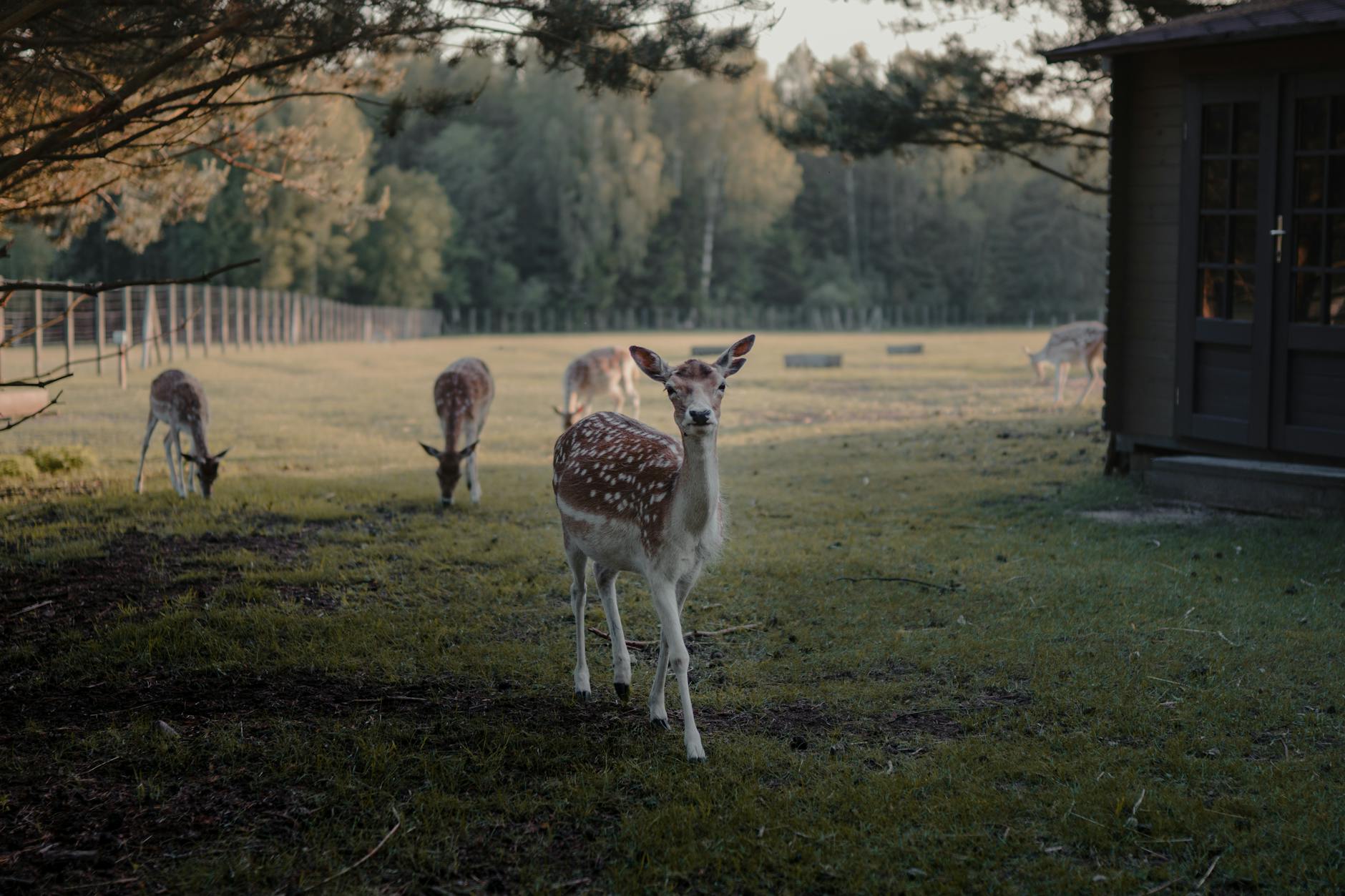
When you come across an injured deer, the first step is to conduct a preliminary assessment. This involves checking for visible wounds, observing the animal’s behavior, and determining whether the deer is in shock. In my practice, I’ve found that many deer will try to hide their injuries, so being patient and quiet is crucial.
Gently approach the deer while keeping a safe distance. Look for signs of bleeding, swelling, or abnormal posture. If the deer is in shock—indicated by rapid breathing, weakness, or a dazed expression—this is an emergency situation that requires immediate veterinary assistance.
Practical First Aid Steps
Control Bleeding
If you find a deer with visible bleeding, controlling the bleeding is your top priority. Use a clean cloth or bandage to apply gentle pressure to the wound. In my experience, many people underestimate the power of direct pressure. A study published in the Journal of Emergency Medicine indicates that applying pressure can significantly reduce blood loss within the first few minutes.
If the blood soaks through the cloth, do not remove it; instead, add more material on top. This ensures you are not disrupting any clotting that may already be taking place.
Splinting a Limb
For fractures, splinting can be a lifesaver. A simple splint can stabilize the limb until a veterinarian can provide further treatment. I often use materials like sticks or rolled-up newspapers to create a makeshift splint.
To apply it, gently align the limb and secure the splint with cloth or tape, ensuring not to wrap it too tightly, as this can cause further injury. Research from the Journal of Veterinary Emergency and Critical Care suggests that immobilizing a fracture improves outcomes significantly.
Keep the Deer Calm
Stress can exacerbate an injured deer’s condition. In my experience, talking softly and moving slowly can help keep them calm. Avoid sudden movements or loud noises, as these can trigger a flight response.
If possible, create a quiet, safe space away from potential threats until professional help arrives. This can be as simple as using a tarp or blanket to shield the deer from disturbances.
Provide Support
While it might be tempting to manipulate the deer too much, remember that providing support is key. If the deer is unable to stand, support its head and neck to help it breathe more easily. Veterinary experts recommend maintaining a calm demeanor, as your energy can influence the deer’s stress levels.
Practical Tips from Experience
-
Always Wear Gloves: When handling injured deer, I always recommend wearing gloves. This not only protects you from potential zoonotic diseases but also reduces stress for the deer.
-
Monitor the Deer’s Condition: Keep an eye on the deer’s vital signs if possible. A normal heart rate for a deer is between 60-90 beats per minute. If you notice significant deviations, it’s time to call for help.
-
Use a Transport Carrier: If you need to transport an injured deer, use a sturdy container or crate. I’ve found that a large dog crate works well. Ensure it has adequate ventilation and is secure to prevent further injury.
-
Prepare for the Unexpected: Always have a first aid kit ready with essentials like antiseptic wipes, bandages, and splinting materials. I can’t tell you how many times this has come in handy.
-
Educate Yourself: Familiarize yourself with local wildlife resources. Having the contact information of a wildlife rehabilitator or veterinarian handy can save precious time in emergencies.
-
Stay Calm: This might sound simple, but staying calm is critical. Animals can sense fear and stress, and your composure can help soothe the situation.
Common Questions I Get Asked
What should I do if I find a fawn alone?
Fawns are often left alone by their mothers for hours while they forage. If the fawn appears healthy and is not in immediate danger, it’s best to leave it alone. Monitor from a distance, and only intervene if it shows signs of distress.
How do I know if the injury is serious?
Signs of a serious injury include excessive bleeding, difficulty breathing, or an inability to stand. If you notice any of these signs, it’s crucial to contact a veterinarian immediately.
Can I feed an injured deer?
Avoid feeding injured deer, as it can complicate their recovery. Wait for a veterinarian to assess their nutritional needs before offering food or water.
What if the deer is aggressive?
Injured deer may become aggressive out of fear. If you encounter an aggressive deer, keep a safe distance and do not attempt to approach it. Call a professional for assistance.
Warning Signs and When to Call Your Vet
While some injuries may seem minor, certain warning signs indicate the need for immediate veterinary assistance. Here are several red flags:
-
Severe Bleeding: If the bleeding does not stop within a few minutes, this is a critical sign that requires urgent care.
-
Visible Bone Fragments: Open fractures where bone is protruding from the skin are serious and require immediate veterinary attention.
-
Signs of Shock: Rapid breathing, weakness, or a dazed expression indicate shock, necessitating prompt intervention.
-
Limping or Inability to Bear Weight: If the deer cannot stand or walk, it’s essential to consult a veterinarian for evaluation.
-
Unusual Behavior: If the deer appears disoriented or aggressive, this could signal a severe injury or distress.
-
Inability to Eat or Drink: A deer that cannot feed is at risk for dehydration and starvation, requiring medical assistance.
-
Prolonged Presence of an Injured Deer: If the deer remains in the same spot for an extended period, especially during daylight, it might indicate a serious problem.
Conclusion
Caring for injured deer is both a privilege and a responsibility. Each encounter can be a learning experience that deepens our understanding of wildlife and our role in protecting it. As you navigate the complexities of deer care, remember that knowledge and compassion go hand in hand.
I encourage everyone to familiarize themselves with the signs of injury and the appropriate first aid measures. A gestation calculator can also be a helpful tool for managing deer populations and ensuring their health during breeding seasons.
Let’s work together to ensure that these magnificent animals receive the care they need. If you ever find yourself in a situation involving an injured deer, don’t hesitate to reach out for professional help. Together, we can make a difference in the lives of these beautiful creatures.
This article is for informational purposes only and does not replace professional veterinary advice. Always consult a veterinarian for health concerns about wildlife.


