
Essential Health Checks for Happy and Thriving Goats
Discover key health checks for your goats to ensure they stay happy and thriving. Learn how to keep your herd healthy and productive.
Essential Health Checks for Happy, Thriving Goats
Introduction
I remember my first encounter with goats vividly. I was working on a small farm in my hometown and was immediately charmed by their playful antics and curious personalities. One particular goat, a spirited little Nubian named Daisy, bolted toward me with a mischievous glint in her eye, ready to nibble on my shoelaces. It was this moment that sparked my lifelong passion for goat care. As I spent more time with Daisy and her herd, I quickly realized that ensuring their health and happiness required more than just feeding and shelter—it involved a comprehensive understanding of their unique needs.
In my years of practice as a veterinarian, I’ve seen countless goats thrive when their owners are proactive about their health. From routine check-ups to understanding behavioral cues, there’s so much that can be done to promote a thriving goat population. This topic matters not just for the goats’ well-being, but also for the overall success of your farming venture. Healthy goats mean a happier herd and, ultimately, a more productive farm.
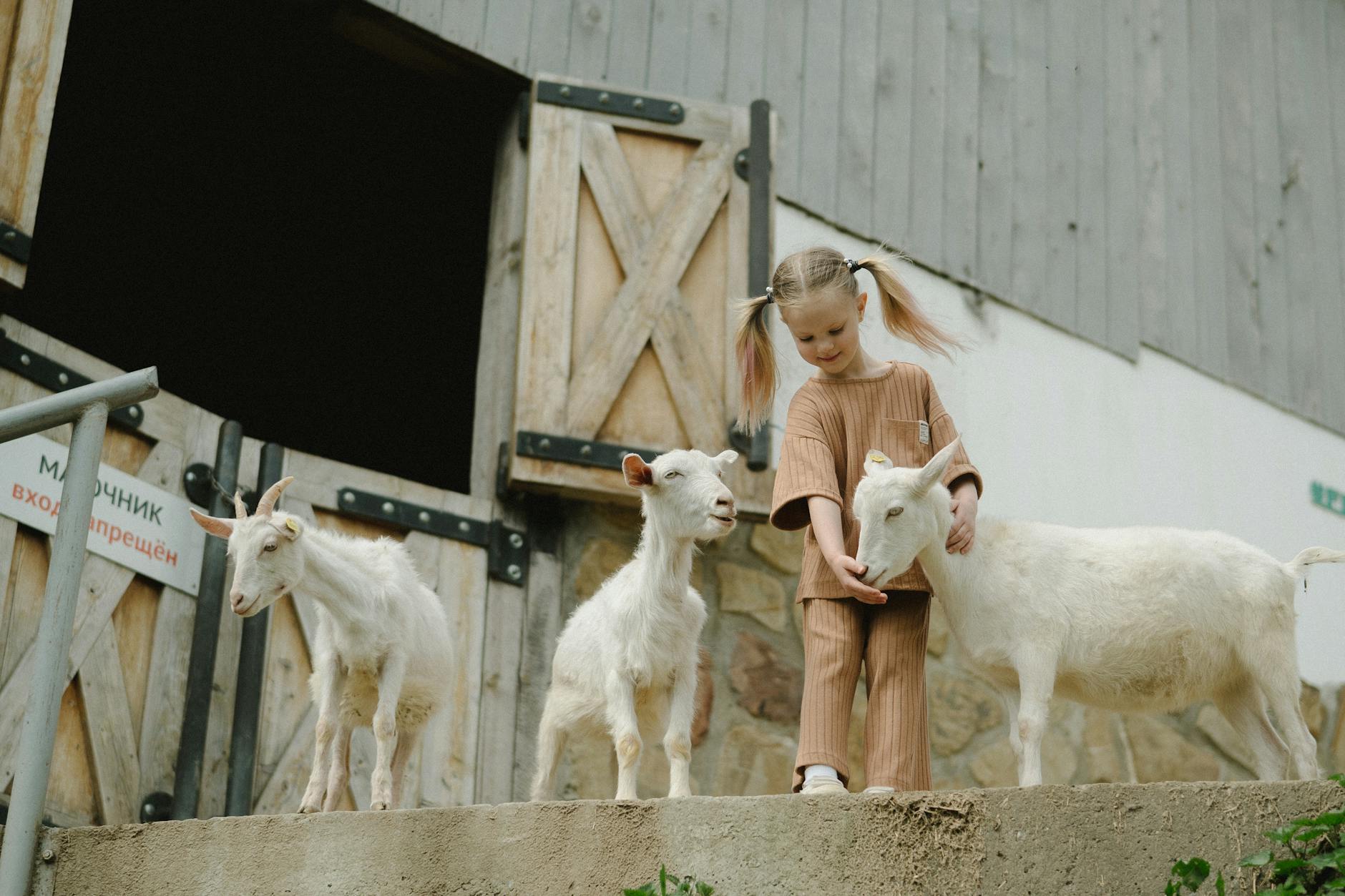 Image 1: Happy goats enjoying their environment
Key Facts You Should Know
First, let’s cover some essential facts that every goat owner should be aware of. According to a 2023 study from Cornell University, goats are highly social animals that thrive in herds of at least three. This social structure not only helps prevent loneliness but also reduces stress-related health issues, making it vital to consider your goats' companionship needs.
Second, routine health checks should occur at least twice a year. Research indicates that this frequency helps in early detection of diseases and other health issues, ensuring timely interventions. I’ve found that many goat owners underestimate this, thinking they can spot problems on the surface, but underlying issues often remain unnoticed.
Third, vaccinations are critical. A study published in the Journal of Veterinary Medicine in 2022 underlined that goats should receive core vaccinations—such as CD/T (Clostridium perfringens type C and D and tetanus)—by 8 weeks of age, with booster shots every year thereafter. Vaccination schedules can vary based on local regulations and environmental factors, so connecting with your vet is essential.
Fourth, goats require a balanced diet, rich in fiber. You should aim for a minimum of 15% fiber in their diet, which can typically be achieved through high-quality hay or pasture. Goats are ruminants and need this fiber to maintain proper digestive health.
Fifth, regular hoof trimming is paramount. Research from veterinary journals shows that hooves should be trimmed every 6-8 weeks to prevent overgrowth and infections. Neglecting this can lead to complications that affect mobility and overall health.
Sixth, keep an eye on their body condition score (BCS). A healthy BCS for goats ranges from 1 to 5, with 2.5 to 3 being ideal. Monitoring this can help you adjust their diet and care accordingly.
Lastly, age can significantly affect health checks. As goats age, their health needs evolve. Older goats may require more frequent veterinary visits and special diets. I’ve seen many farmers overlook this, assuming that once their goats are adults, they don’t require additional attention.
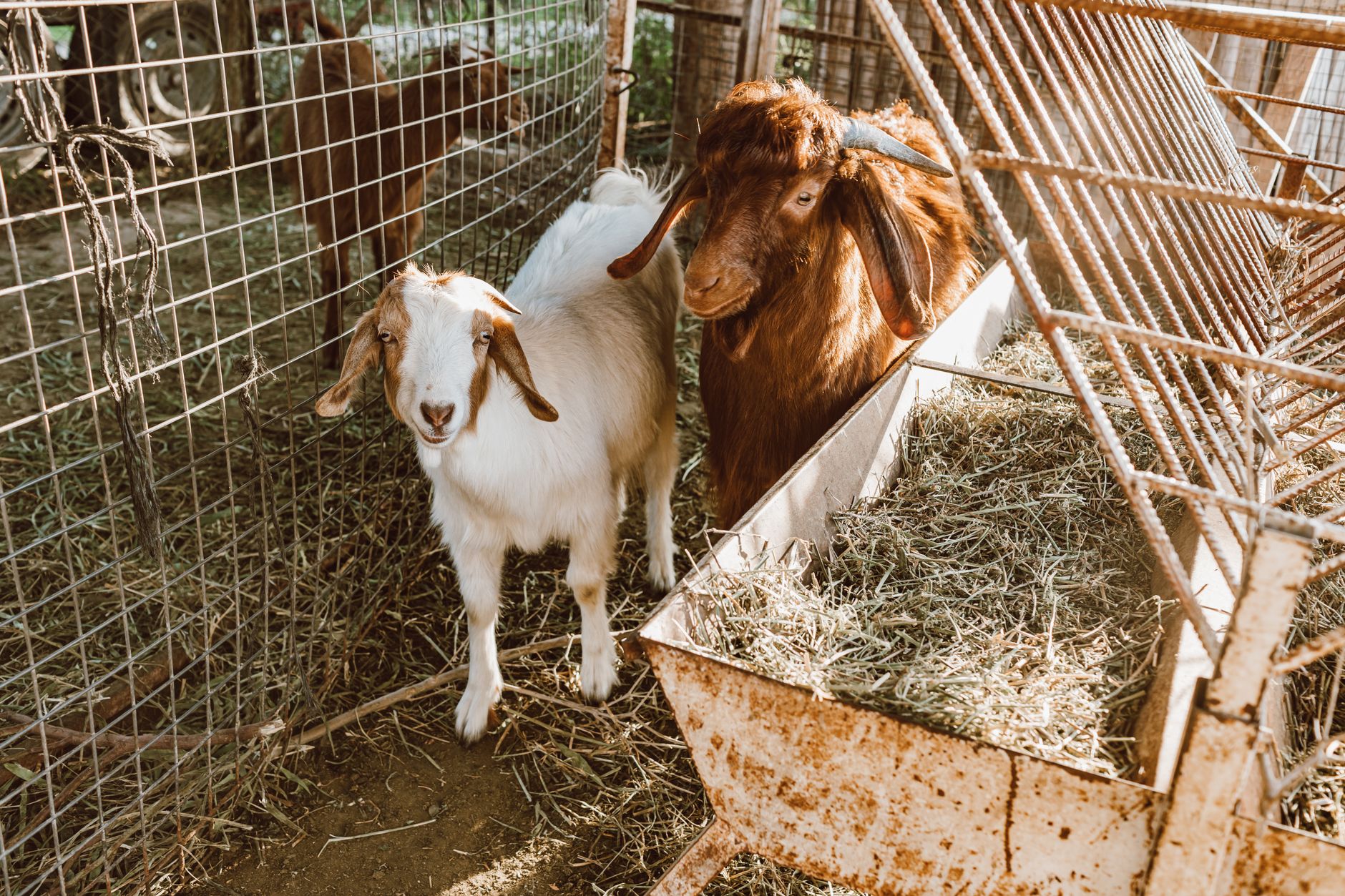 Image 2: Routine health checks are important for goats
Main Content
Understanding Goat Behavior and Health
Understanding goat behavior is key to maintaining their health. Goats are naturally curious and often express discomfort or illness through changes in behavior. For example, when goats become less social or start isolating themselves, it’s usually a sign that something is wrong. In my experience, I’ve found that a goat that suddenly avoids its herd or refuses to eat should be assessed quickly for potential health issues.
Research from veterinary journals emphasizes the importance of observing behavioral changes as early indicators of health problems. This can include anything from changes in vocalizations to alterations in their grazing habits. By being attuned to these signs, you can intervene before minor issues escalate into serious health concerns.
The Importance of Nutrition
Nutrition is one of the cornerstones of goat health. I’ve often encountered farmers who feed their goats a diet too low in fiber or imbalanced in essential nutrients. A well-rounded diet for goats should consist of quality hay, pasture, grains, and minerals, tailored to their specific needs based on age, production level (whether they are kids, lactating, or dry), and health status.
According to a study published by the American Society of Animal Science, goats require specific mineral supplements, particularly calcium and phosphorus, to prevent ailments like milk fever and urinary calculi. I recommend regularly testing your forage and soil to identify any deficiencies that may impact your goats’ health.
Regular Hoof Care
As mentioned earlier, hoof health is often overlooked. Overgrown hooves can lead to painful conditions like foot rot. I’ve encountered many goats suffering from this due to neglecting hoof trimming. It’s best to start trimming when the goats are young, getting them used to the process.
Veterinary experts at the University of Florida recommend checking hooves every 4-6 weeks, especially in wet conditions that can exacerbate hoof issues. If you notice any signs of lameness or discomfort, it’s essential to consult your veterinarian immediately.
 Image 3: Proper management and care lead to healthier goats
Vaccination and Preventive Medicine
Preventive care is your best defense against disease. Establishing a vaccination protocol early on can save you from heartache down the line. In my experience, working closely with a veterinarian to create a tailored vaccination schedule is crucial.
Research indicates that goats are susceptible to various diseases, including Johne’s disease, caprine arthritis-encephalitis (CAE), and infectious diseases like leptospirosis. Regular testing and vaccinations can help you maintain a healthy herd and prevent outbreaks.
Grooming and Parasite Control
Grooming is not just about aesthetics; it’s a vital part of goat health. Regular brushing helps remove dirt and debris, allowing for better skin health. Moreover, keeping an eye on their coat can alert you to potential infestations.
Parasite control, in particular, is critical. Many farmers are surprised to learn that goats are prone to internal parasites like worms, which can significantly impact their health. According to a 2023 study from the Journal of Animal Science, rotating pastures and using dewormers judiciously can help manage parasite loads effectively. I always recommend fecal testing to determine the need for deworming, as overuse can lead to resistance.
Practical Tips from Experience
-
Start monitoring your goats closely two weeks before kidding. This will give you enough time to prepare without causing unnecessary stress.
-
Maintain a consistent feeding schedule. Goats thrive on routine, which helps manage their digestive health and can prevent stress-related issues.
-
Invest in a good quality mineral supplement, especially for lactating and pregnant goats. This can drastically improve their health and milk production.
-
Keep your goat housing clean and dry. Good sanitation prevents many diseases and keeps your goats comfortable.
-
Always have a first-aid kit on hand. Include essentials like antiseptics, bandages, and basic medications. You never know when a minor injury can occur.
-
Form a relationship with a local vet who specializes in goats. This can be invaluable when emergencies arise or if you have questions about specific health issues.
-
Keep records of your goats’ health checks, vaccinations, and any treatments given. This documentation can help track their health over time and improve management strategies.
-
Rotate grazing areas regularly. This helps prevent overgrazing and reduces the risk of parasite infestations.
Common Questions I Get Asked
How often should I check my goats for signs of illness?
I recommend checking them daily for any behavioral changes, signs of distress, or unusual physical symptoms. Regular observation is key to catching problems early.
What should I do if my goat suddenly stops eating?
First, check for any other symptoms, such as bloating or lethargy. If they refuse food for more than 24 hours, consult your vet promptly, as this could indicate a serious issue.
Is it normal for goats to have a strong odor?
Yes, particularly for male goats during breeding season. However, if the odor becomes overwhelming or is accompanied by other symptoms, it may be time to consult a veterinarian.
What are the best practices for dealing with parasites?
Regularly rotate pastures, conduct fecal tests, and only use dewormers when necessary. Overuse can lead to resistance, so be strategic about your deworming schedule.
Warning Signs and When to Call Your Vet
While being observant is crucial, here are specific warning signs that should never be ignored:
-
Sudden weight loss—this could indicate underlying health problems, including parasites or metabolic disorders.
-
Persistent coughing—this may signal respiratory issues or infections that require immediate attention.
-
Diarrhea—especially if it persists for more than a day; this can lead to dehydration and requires intervention.
-
Lameness—if a goat is limping or showing reluctance to move, it could signify hoof or joint problems.
-
Abnormal behavior—if your goat suddenly becomes withdrawn, isolating itself from the herd, it may be a sign of illness or distress.
-
Swelling in the abdomen—this could indicate bloat, a potentially life-threatening condition that requires immediate veterinary care.
-
Changes in milk production—if a lactating goat's milk supply suddenly drops, it could suggest health issues that need to be addressed.
Conclusion
Taking care of goats can be an incredibly rewarding experience, and with the right knowledge and tools, you can ensure they lead happy, healthy lives. I've seen firsthand how attentive care can transform not just individual goats, but entire herds.
As you embark on your goat-keeping journey, consider utilizing a gestation calculator to keep track of breeding and kidding schedules. This tool can aid in your planning and preparation.
Remember, your goats rely on you for their health and happiness. With a little diligence and a lot of heart, you can create an environment where they thrive. If you have any questions or need guidance, don’t hesitate to reach out to your veterinarian. Happy goat-keeping!
Note: This article is for informational purposes only and does not replace professional veterinary advice.


