
How to Create a Cozy Housing Space for Your Pigs
Learn tips for building a comfortable pig housing environment that promotes health and happiness for your pigs. Enhance their well-being today!
Creating a Comfortable Pig Housing Environment
Introduction
I remember the first time I visited a pig farm. The smell of fresh hay and the sound of content snorting filled the air as I walked through the pens. It was a scene that instilled a sense of peace, yet I couldn't help but notice some areas where the pigs could be more comfortable. Over the years, I've had the pleasure of working with countless farmers and breeders, helping them create optimal environments for their pigs. It’s not just about providing shelter; it’s about crafting a space that promotes health, well-being, and productivity.
In my experience, the housing environment plays a critical role in the overall health of pigs. Comfortable pigs are not only happier but also more productive, leading to healthier litters and better growth rates. This topic matters greatly because the welfare of our livestock directly impacts our success as farmers. Proper housing is essential for minimizing stress, preventing disease, and ensuring that pigs thrive.

Key Facts You Should Know
Creating a comfortable housing environment for pigs involves understanding their needs and behaviors. Here are some essential facts to keep in mind:
The ideal space per pig is around 8 square feet for sows and 6 square feet for growing pigs. According to a 2023 study from Cornell University, providing adequate space can significantly reduce stress-related behaviors.
Ventilation is crucial. A study published in the Journal of Animal Science found that good ventilation helps control humidity and temperature, reducing the risk of respiratory diseases. Aim for at least 4 to 6 air changes per hour in the housing area.
Temperature control is vital. Pigs are most comfortable at temperatures between 60°F and 75°F (15°C and 24°C). In colder climates, insulated housing is necessary to maintain warmth, while in hotter areas, cooling systems may be required.
Bedding is more than just comfort; it aids in health. Research indicates that using straw or wood shavings not only provides a better resting surface but also helps absorb moisture, reducing the risk of skin infections.
Regular cleaning is essential. A clean environment prevents the buildup of pathogens and parasites. Aim to clean housing areas at least once a week and conduct a deep clean monthly.
Social interaction matters. Pigs are social animals, and providing opportunities for interaction can help reduce stress. Consider group housing where appropriate, always ensuring there’s enough space to minimize aggression.
Environmental enrichment can reduce boredom. Simple additions like toys, rooting areas, or obstacles can help stimulate pigs mentally and physically, promoting overall well-being.
Designing the Ideal Pig Housing
Space Considerations
When it comes to pig housing, space is everything. In my experience, overcrowding can lead to a host of behavioral issues, from aggression to stress-induced illnesses. Pigs thrive when they can move freely and express natural behaviors. A general guideline is to provide at least 8 square feet per sow and 6 square feet for growing pigs.
I've found that many farmers underestimate the importance of space, particularly during the breeding and rearing phases. According to research from the University of Illinois, allowing pigs adequate space not only improves their welfare but also enhances reproductive outcomes. Sows in spacious environments tend to have fewer complications during gestation and farrowing.
Ventilation and Temperature Control
Maintaining appropriate air quality and temperature is another cornerstone of pig housing. I've often seen barns where ventilation systems are inadequate, leading to high humidity and poor air quality. This can create an environment ripe for respiratory diseases.
Veterinary experts at the Animal Health Institute recommend ensuring that your housing allows for 4 to 6 air changes per hour. This not only helps in maintaining optimal temperature but also reduces ammonia buildup from waste. Ideal temperatures for pigs range between 60°F and 75°F (15°C and 24°C).
In colder months, I've noticed that adding heat lamps or insulated walls can help keep pigs warm, while in hotter climates, misting systems or fans can provide relief from excessive heat.
Bedding and Cleanliness
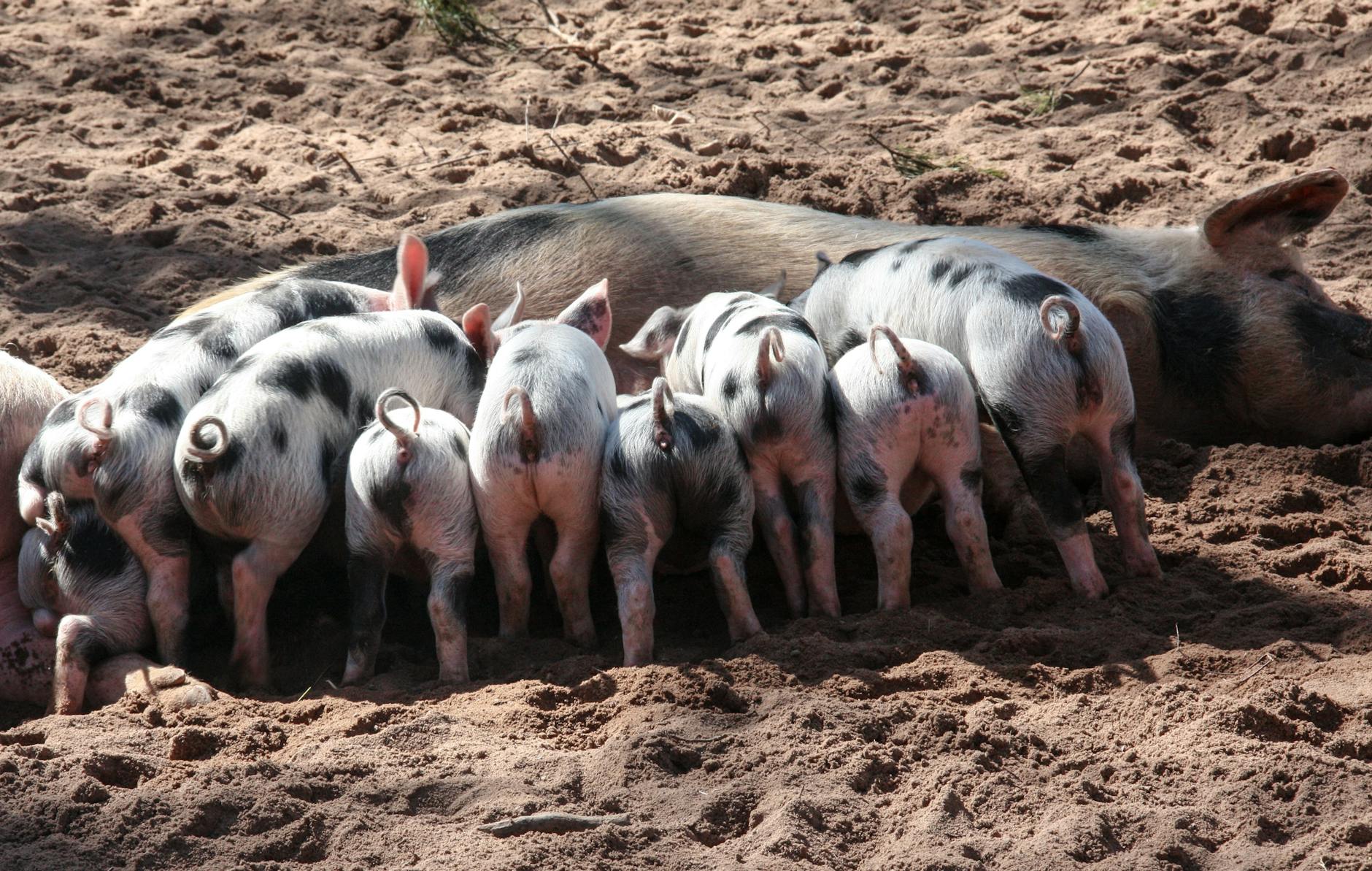
When it comes to bedding, I always advocate for using straw or wood shavings. Not only does it provide comfort, but it also absorbs moisture effectively, reducing the likelihood of skin infections. A clean living environment is crucial for pig health.
Research indicates that pigs raised in clean, well-maintained environments experience lower rates of disease and improved growth rates. I recommend a routine cleaning schedule—daily spot cleaning and a thorough wash every month can work wonders in maintaining a healthy living space.
Social Structure and Enrichment
Pigs are social creatures, and understanding their social structure can significantly enhance their well-being. In my years of practice, I've seen the benefits of group housing for pigs. When they have the opportunity to interact, they exhibit more natural behaviors, leading to reduced stress levels.
Many breeders report that environmental enrichment—like toys or rooting areas—can also reduce boredom and encourage physical activity. Simple additions like tires, balls, or even digging pits can engage pigs and promote mental stimulation.
Practical Tips from Experience
-
Monitor Space Needs: Regularly assess the space per pig in your housing. If you notice signs of aggression or stress, consider expanding their living area.
-
Ventilation Checks: Make it a habit to check your ventilation system weekly. Ensure that filters are clean and air is circulating properly.
-
Temperature Logging: Keep a log of temperature and humidity levels in your pig housing. This will help you identify any patterns or issues that may arise seasonally.
-
Invest in Quality Bedding: Don’t skimp on bedding. Using high-quality straw or shavings can make a significant difference in the pigs' comfort and health.
-
Establish a Cleaning Routine: Implement a strict cleaning schedule. Regular maintenance will prevent disease outbreaks and keep the pigs happier.
-
Socialization Opportunities: Whenever possible, house pigs in groups. Monitor their interactions and adjust as necessary to maintain harmony.
-
Enrichment Strategies: Regularly introduce new enrichment items to keep pigs engaged. Rotate toys or create new rooting opportunities to maintain their interest.
-
Consult with Experts: Don’t hesitate to seek advice from veterinarians or animal welfare experts about your housing setup. They can provide tailored recommendations based on your specific situation.
Common Questions I Get Asked
What is the best bedding material for pigs?
In my experience, straw is one of the best options for pig bedding because it provides comfort and absorbs moisture effectively. However, wood shavings can also work well, especially when combined with straw.
How do I know if my pigs are too hot or too cold?
Look for signs of discomfort. Pigs that are too hot may be panting, lying with their legs stretched out, or seeking shade. Conversely, if they huddle together or shiver, they are likely too cold.
How can I improve ventilation in my pig barn?
Consider installing fans or exhaust systems that can help circulate air. Additionally, ensure that windows and vents are not blocked and can open easily.
Is group housing necessary for pigs?
While it’s not mandatory, group housing can promote social interaction and reduce stress. Just ensure there’s enough space to minimize aggression, especially during feeding times.
How often should I clean the pig housing?
I recommend daily spot cleaning to remove waste and moisture. A thorough clean should be done at least once a month to maintain hygiene and prevent disease.
Warning Signs and When to Call Your Vet
-
Sudden Lethargy: If pigs that are usually active suddenly become lethargic, it could indicate illness. This is concerning and warrants a vet visit.
-
Changes in Appetite: A notable decrease in appetite can signal health issues. If pigs refuse food for more than 24 hours, consult your veterinarian.
-
Respiratory Distress: Coughing, wheezing, or labored breathing is concerning. These symptoms may indicate respiratory infections or pneumonia.
-
Diarrhea: Persistent diarrhea can lead to dehydration and nutritional deficiencies. If it lasts more than a day, it’s time to call for professional help.
-
Unusual Behavior: If pigs are exhibiting aggressive behavior or unusual vocalizations, this may indicate stress or illness. A veterinarian can help assess the situation.
-
Skin Lesions: Any signs of skin lesions or infections should be evaluated by a vet immediately. These can lead to more serious health issues if left untreated.
-
Difficulty Breeding: If sows are having trouble breeding or carrying piglets to term, reach out to your veterinarian for advice on reproductive health.
Conclusion
Creating a comfortable housing environment for pigs is not just about shelter; it’s about fostering health, productivity, and well-being. With careful attention to space, ventilation, cleanliness, and social interaction, you can ensure that your pigs live happy, fulfilling lives. Remember, tools like gestation calculators can assist you in planning for breeding and farrowing, making your management easier.
If you’re ever unsure about your setup, don’t hesitate to reach out for help. Together, we can create a thriving environment for your pigs. Your commitment to their well-being is commendable, and it truly makes a difference in their lives.
Disclaimer: This article is for informational purposes only and should not replace professional veterinary advice.


