
Build Ideal Pig Housing for Health and Happy Pigs
Discover how to create the perfect pig housing that promotes health and happiness for your pigs, ensuring they thrive in a comfortable environment.
Creating the Perfect Pig Housing for Health and Happiness
Introduction
I remember my first experience working with pigs vividly. I was visiting a small farm, and as I approached the pigpen, I was greeted by a cacophony of snorts and grunts. The pigs were lounging in the mud, rolling around with sheer delight. It struck me then how vital their environment was to their happiness and overall health. Over the years, I've had the privilege of working with various pig breeds and farmers, witnessing firsthand how well-designed housing can transform the lives of these intelligent animals.
Creating the perfect housing for pigs is not just about shelter; it’s about enhancing their well-being. I've seen many pigs thrive in environments that cater to their natural instincts, while others have struggled in cramped or poorly designed spaces. Understanding the nuances of pig housing can significantly impact their health, productivity, and happiness. This topic is essential for anyone involved in pig farming, as the right housing can lead to healthier pigs and, ultimately, a more successful farm operation.

Key Facts You Should Know
When it comes to pig housing, there are several key facts that every pig owner should consider. For example, did you know that pigs are social animals and require adequate space to interact? Research indicates that pigs kept in groups are generally happier and less stressed. Ideally, each pig should have at least 15 square feet of living space when housed indoors.
Another important fact is that pigs are prone to heat stress, especially during warmer months. According to a 2023 study from Cornell University, maintaining a temperature below 75°F can significantly improve pig comfort and productivity. Providing adequate ventilation and shade is crucial for their well-being.
Moreover, cleanliness is vital. Pigs can be susceptible to various diseases, and keeping their environment clean can reduce the risk. Studies have shown that regular cleaning can decrease the incidence of respiratory issues in pigs by up to 30%.
I’ve found that providing enrichment, such as toys or rooting materials, can also improve mental health and reduce boredom. Pigs are naturally curious and intelligent, so giving them activities helps them thrive.
Lastly, don’t forget about the importance of proper drainage in pig housing. Good drainage can minimize muddy areas that can harbor parasites and bacteria. Research shows that well-drained pens can lead to a 25% reduction in disease incidence among pigs.
The Importance of Space and Design
Creating an adequate living space for pigs is paramount. In my experience, overcrowding is one of the most common mistakes I see among new pig owners. Pigs need room to roam, socialize, and express their natural behaviors. Many breeders report that pigs show fewer signs of stress and aggression when they have enough space.
The ideal housing design should include separate areas for sleeping, eating, and elimination. Pigs are clean animals by nature; they prefer to keep their sleeping area free of waste. A well-designed pigpen allows for easy cleaning and maintenance, which is crucial in preventing disease.
According to research from the Journal of Animal Science, pigs housed in larger, well-structured pens exhibit lower stress levels and higher growth rates. This is an important consideration for anyone looking to maximize productivity while ensuring the welfare of their pigs.
Moreover, providing a variety of surfaces—such as concrete, grass, and mud—can also promote healthy hoof growth and prevent lameness issues. I’ve often seen pigs thrive in environments that allow them to choose their preferred surface.

Ventilation and Temperature Control
Proper ventilation is crucial in pig housing. I've worked with farmers who underestimated the importance of airflow, leading to respiratory problems in their pigs. Research indicates that inadequate ventilation can increase the likelihood of pneumonia and other respiratory diseases.
During warmer months, pigs are particularly vulnerable to heat stress. I always recommend installing fans or creating shaded areas to help maintain a comfortable temperature. A 2023 study published in the Journal of Swine Health and Production found that pigs kept in well-ventilated areas had a 40% lower incidence of heat stress-related issues compared to those in poorly ventilated housing.
On colder days, insulating the housing can help retain warmth. Providing bedding material, such as straw, can also help pigs maintain their body temperature. I’ve seen pigs snuggle together in their bedding during winter, which not only keeps them warm but also fosters social bonding.
Enrichment and Social Interaction
Pigs are incredibly intelligent animals with complex social structures. In my years of practice, I've observed that providing enrichment in their housing significantly improves their quality of life. Many breeders report that pigs with access to toys and rooting materials are less likely to engage in destructive behaviors.
Enrichment can come in various forms: from simple objects like balls or ropes to more complex structures that encourage exploration. Studies have shown that pigs provided with enrichment exhibit fewer signs of stress and aggression, leading to healthier and happier animals.
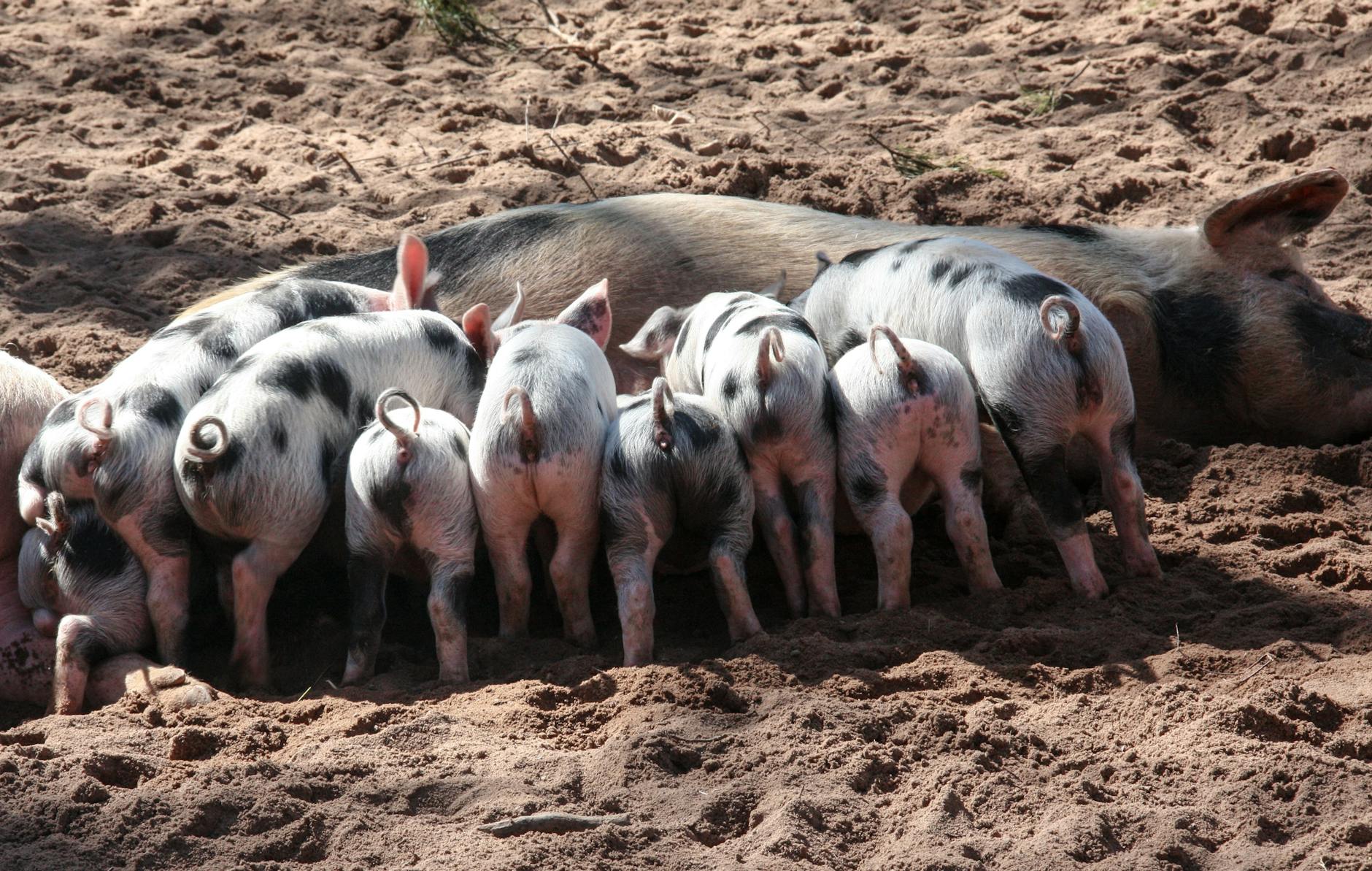
Additionally, allowing pigs to socialize with each other is vital. I’ve seen pigs develop strong bonds, which can enhance their emotional well-being. Ensuring that your housing design allows for social interaction can make a world of difference in their overall happiness.
Practical Tips from Experience
-
Space Planning: Always ensure that each pig has at least 15 square feet of space indoors. This will promote healthy social interactions and reduce stress.
-
Regular Cleaning: I recommend cleaning the pigpen at least twice a week. This helps minimize disease risk and keeps the environment comfortable.
-
Temperature Monitoring: Invest in thermometers and fans for summer months. Keep the temperature below 75°F to prevent heat stress.
-
Bedding Management: Use straw or similar materials for bedding, especially during colder months. This helps with insulation and provides comfort.
-
Social Structure: Introduce new pigs gradually to avoid bullying. I’ve seen that a slow introduction leads to a more harmonious social structure.
-
Enrichment Activities: Rotate toys and enrichment items every few weeks to keep the pigs engaged. They thrive on novelty and will appreciate the change.
-
Drainage Solutions: Ensure that your pigpen has proper drainage. This minimizes mud and standing water, which can harbor parasites.
-
Veterinary Consultation: Regularly consult with a veterinarian regarding housing conditions and animal health to ensure optimal care.
Common Questions I Get Asked
-
What are the signs of a healthy pig? Healthy pigs have bright eyes, a shiny coat, and exhibit normal behavior. If you notice lethargy or a lack of appetite, it may be time to consult a vet.
-
How often should I clean the pigpen? I recommend cleaning at least twice a week, but the frequency may need to increase based on the number of pigs and their activity levels.
-
Can pigs live together peacefully? Yes, but social dynamics can be complex. Introduce new pigs slowly and monitor their interactions to ensure harmony.
-
What should I do if my pig seems stressed? First, assess their environment. Ensure they have enough space, enrichment, and social interaction. If stress persists, consult a veterinarian.
Warning Signs and When to Call Your Vet
It's important to be vigilant about your pigs' health. Here are some warning signs to watch for:
-
Lethargy or Weakness: If a pig is unusually quiet or inactive, it could indicate an underlying health issue.
-
Loss of Appetite: A sudden decrease in food consumption may signal illness or stress.
-
Coughing or Difficulty Breathing: Respiratory issues can escalate quickly in pigs, so seek veterinary attention if you notice these symptoms.
-
Skin Lesions or Abnormalities: Any unusual changes in skin condition should be examined by a veterinarian.
-
Unusual Aggression: Increased aggression can be a sign of stress or health problems and should be addressed promptly.
-
Diarrhea or Abnormal Feces: Changes in stool consistency can indicate digestive issues or infections.
-
Isolation from the Herd: If a pig is isolating itself from others, it could be a sign of illness or social issues.
If you notice any of these signs, it’s best to err on the side of caution and call your vet. Early intervention can prevent more serious health issues down the line.
Conclusion
Creating the perfect pig housing is an opportunity to enhance the health and happiness of your pigs. From ensuring adequate space and ventilation to incorporating enrichment activities, there are numerous ways to improve their living environment. I encourage all pig owners to take a proactive approach in evaluating and upgrading their housing conditions.
For those navigating the journey of pig breeding, a gestation calculator can be a helpful tool in planning and preparation. Remember, every pig is unique, and what works for one may not work for another, so stay observant and adaptable.
As always, if you have any questions or concerns about your pigs’ health or housing, don’t hesitate to reach out to a veterinarian. Your pigs deserve the best care, and you’re their best advocate. Happy farming!
Disclaimer: This article is intended for informational purposes only and should not replace professional veterinary advice.


