
Learn Your Horse's Body Language to Enhance Their Care
Discover how understanding your horse's body language can improve their health and strengthen your bond for better care and companionship.
Understanding Your Horse's Body Language for Better Care
Introduction
I remember the first time I saw a horse express discomfort through its body language. It was at a local barn where I volunteered during my veterinary school days. A beautiful chestnut mare named Bella stood in her stall, ears pinned back and tail swishing—signs of anxiety that I initially brushed off as typical barn behavior. But as I approached her, I noticed she was shifting her weight from one foot to the other, a subtle but clear indication that something was amiss. After a thorough examination, it turned out she had a minor hoof abscess. This experience stuck with me and reinforced the importance of understanding equine body language.
In my years of practice, I’ve worked with countless horses, each with their own personality and quirks. The more I observed them, the more I realized that horses communicate primarily through their bodies. Knowing how to interpret these signals not only improves your relationship with your horse but also enhances their overall care and well-being. This topic matters because understanding your horse's body language can prevent minor issues from becoming serious health problems.
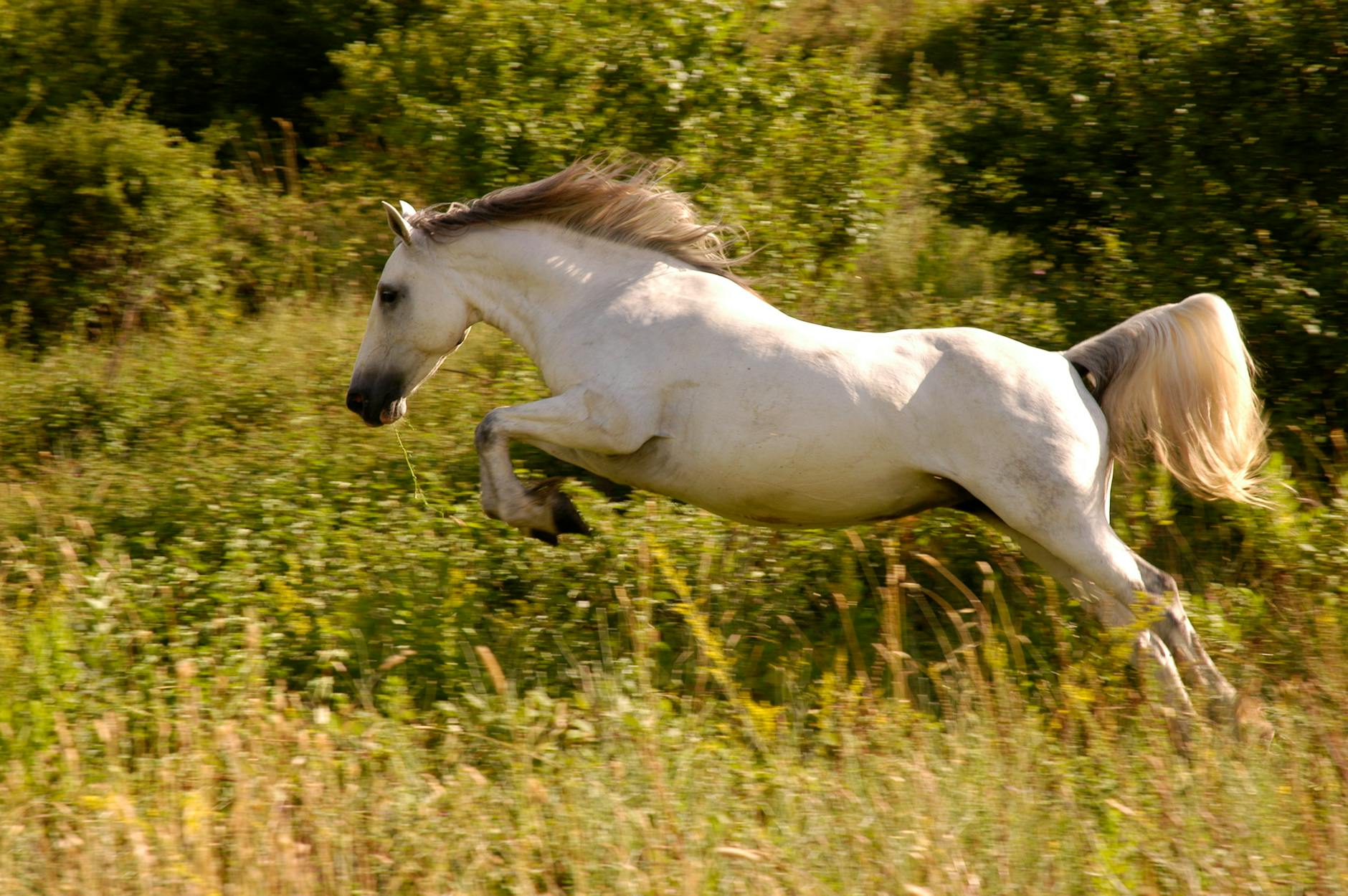
Key Facts You Should Know
Horses are incredibly expressive animals, and their body language can tell you a lot about their health and well-being. Here are some essential facts that can enhance your understanding:
-
Ears Are Key: Horses have more than 16 muscles in each ear, allowing them to rotate and position their ears independently. For instance, ears pinned back can indicate irritation or aggression, while ears perked forward typically show interest or curiosity.
-
Body Posture Matters: A horse standing with its head low, relaxed posture, and a soft eye is generally at ease. Conversely, a tense stance with a raised head and a stiff neck can indicate stress or discomfort.
-
Tail Talk: A horse's tail can communicate a range of emotions. A relaxed tail indicates a calm horse, while a tail that’s swishing or tightly clamped can signify agitation or fear.
-
Vocal Cues: Horses also use vocalizations to express their feelings. A deep, loud neigh often indicates excitement or a call for attention, while a soft whinny can signal contentment.
-
Eyes Don’t Lie: The expression in a horse's eyes can be a clear indicator of emotional state. A horse that appears wide-eyed and alert might be anxious, while a soft, relaxed eye generally indicates comfort.
-
Research Support: According to a 2023 study from Cornell University, understanding equine body language can lead to better management practices, reducing stress and improving training outcomes.
-
Human Interaction: Many trainers report that by building a bond with your horse and learning to read their signals, you can create a more harmonious environment that promotes better care and training.
Recognizing Emotional States Through Body Language
Understanding the emotional state of your horse through body language is crucial for effective care. In my experience, horses exhibit a range of behaviors that correspond with their feelings.
Relaxed and Content
When your horse is relaxed, you will see a soft gaze, ears pointing forward or slightly to the side, and a low, relaxed head. The horse may even graze peacefully, indicating they feel secure in their surroundings. The key thing to remember is that a relaxed horse is more open to training and interaction.
Anxious or Nervous
I’ve found that when a horse is anxious, it may exhibit signs such as rapid tail swishing, shifting weight from foot to foot, or pacing. They might also have a tense posture, with their head held high and ears flicking back and forth. According to research from veterinary journals, anxious horses are more prone to behavioral issues, so identifying these signs early can help you address their needs, whether it’s through calming techniques or environmental changes.
Aggressive or Threatened
If a horse feels threatened, it may display aggressive body language, such as pinned ears, bared teeth, or a raised tail. In such cases, it’s essential to maintain a safe distance and assess the situation calmly. I’ve seen many trainers successfully de-escalate these situations through patience and understanding, often using calming techniques or distractions to reassure the horse.

Building Trust Through Positive Interaction
Establishing trust with your horse is vital for effective communication. In my practice, I’ve observed that horses respond best to gentle, consistent behavior from humans.
Use of Soothing Voice
When approaching a horse, I always recommend using a soft, soothing voice. This can help reduce anxiety and create a positive atmosphere. Horses are sensitive to tone, and a calm demeanor can often put them at ease.
Consistency is Key
Being consistent in your handling and training fosters trust. If you’re training your horse, using the same cues and rewards helps them understand what is expected. This consistency builds confidence and strengthens your bond.
Spend Quality Time
Horses are social creatures, and spending quality time with them—whether through grooming, hand-walking, or just being in their presence—can deepen your relationship. Many breeders report that simply being with their horses fosters a sense of trust and understanding.
Practical Tips from Experience
-
Observe Daily: Spend at least 10-15 minutes each day simply observing your horse. Look for changes in behavior or body language that may indicate stress or discomfort.
-
Provide a Safe Space: Ensure that your horse has a safe, comfortable environment where they can retreat if they feel threatened. This could be a quiet stall or a designated area in the pasture.
-
Introduce Changes Gradually: Whether it’s a new feed or a change in routine, introduce changes slowly to help your horse adjust without stress.
-
Use Positive Reinforcement: When training, reward your horse for calm behavior. I usually recommend using treats or praise to reinforce positive interactions.
-
Establish a Routine: Horses thrive on routine. Feeding, grooming, and exercise should occur at the same times each day to provide a sense of security.
-
Monitor Health Regularly: Keep an eye on your horse's weight, coat condition, and overall demeanor. Regular veterinary check-ups are essential for early detection of health issues.
-
Educate Yourself: Learn more about equine behavior through books or courses. Understanding the science behind their actions can greatly improve your care strategies.
-
Stay Calm in Emergencies: If your horse is acting out of character, remain calm. Horses can sense your anxiety, which may exacerbate the situation. Take a moment to assess before reacting.
Common Questions I Get Asked
How can I tell if my horse is in pain?
Look for signs such as a change in posture, reluctance to move, or unusual vocalizations. If you notice these signs, it’s best to consult a veterinarian.
Why does my horse keep swishing its tail?
Tail swishing can indicate annoyance or discomfort. Pay attention to the context—if your horse is being bothered by flies, it could simply be a reaction to that.
My horse seems withdrawn. Should I be concerned?
A withdrawn horse can be a sign of stress or health issues. Observing their behavior over a few days can provide insight; if it persists, consider contacting your veterinarian.
What’s the best way to approach a nervous horse?
Approach a nervous horse slowly and calmly, using a soothing voice. Allow them to come to you instead of forcing interaction, which can help build trust.
Warning Signs and When to Call Your Vet
While it’s important to observe your horse's body language for signs of distress, certain warning signs should prompt an immediate call to your veterinarian:
-
Continuous Lameness: If your horse shows signs of lameness that persist after a few minutes of rest, this could indicate a serious injury.
-
Excessive Sweating: If your horse is sweating profusely without exertion, it could be a sign of distress or pain.
-
Colic Symptoms: Signs such as rolling, biting at their sides, or not eating can indicate colic, which is a medical emergency.
-
Rapid Breathing: If your horse is breathing rapidly at rest, this could indicate a respiratory issue or pain.
-
Change in Appetite: A sudden decrease in appetite can indicate health problems, especially if accompanied by other symptoms.
-
Unusual Vocalizations: If your horse begins to vocalize more than usual, it could be a sign of distress or discomfort.
-
Isolation from Herd: If your horse separates itself from the herd or group, this behavior could be a sign of illness or emotional distress.
Conclusion
In conclusion, understanding your horse's body language is an invaluable tool for any horse owner. It fosters a deeper bond with your equine partner and enhances your ability to provide appropriate care. I encourage you to take the time to learn and observe, as every interaction counts.
For those navigating the complexities of horse pregnancy and care, utilizing a gestation calculator can help you prepare and monitor your mare’s health throughout this important time. Remember, your horse relies on you to understand their needs, and by paying attention to their body language, you can ensure they lead a happy and healthy life.
If you have any concerns or questions about your horse's behavior, never hesitate to reach out to your veterinarian. They are there to help you ensure your horse's well-being.
Disclaimer: This article is for informational purposes only and should not replace professional veterinary advice.


