
Decode Your Horse's Body Language for Better Care
Learn to interpret your horse's body language to enhance their care and strengthen your bond. Discover practical tips for happier, healthier horses.
Understanding Horse Body Language for Better Care
Introduction
I still remember the first time I truly understood the significance of horse body language. I was working with a young filly named Bella, who had recently moved to a new barn. One sunny afternoon, I noticed her standing in the corner of her stall, ears pinned back and nostrils flared. The other horses were grazing peacefully, but Bella's demeanor was anything but relaxed. It was only after I observed her body language more closely that I realized she was feeling anxious and overwhelmed in her new environment. This experience taught me that understanding a horse's body language can be just as crucial as knowing how to care for them physically.
In my years of working with horses, I’ve seen countless situations where misreading a horse's signals led to unnecessary stress or even injury. Horses communicate much more than we often realize, and their body language is a window into their feelings and needs. By tuning in to these non-verbal cues, we can foster better relationships with our equine companions, enhance their well-being, and provide the best possible care.
Understanding horse body language matters more than ever in the context of modern equine care and management. As horse owners and caregivers, we have a responsibility to ensure not only their physical health but also their emotional and psychological well-being. By recognizing the signs of stress, discomfort, or happiness, we can respond more effectively to their needs and create a nurturing environment.

Key Facts You Should Know
-
Horses communicate primarily through body language, with over 60% of their signals being non-verbal. According to a 2023 study from Cornell University, recognizing these cues can significantly reduce the risk of injury during handling.
-
The position of a horse's ears is a key indicator of their mood. Ears pointed forward often indicate curiosity or interest, while ears pinned back can signal irritation or aggression. Monitoring ear positions can help you gauge your horse's emotional state quickly.
-
Horses can express their feelings through their tails. A tail that is held high often indicates excitement or happiness, while a low, swishing tail may indicate annoyance or discomfort. Observing tail movements can provide insight into your horse's mood.
-
Research shows that horses can recognize human emotions through facial expressions. A 2022 study published in the journal Animal Cognition found that horses can distinguish between happy and angry human faces, suggesting they may be more attuned to our emotional states than we realize.
-
Stress in horses can manifest physically. Signs such as excessive sweating, rapid breathing, or a high heart rate can indicate anxiety. Being aware of these physical symptoms can help you address stressors promptly.
-
Horses are social animals, and their body language can reflect their relationships with other horses. According to a study by the University of Kentucky, horses that display relaxed body language are often more well-adjusted in group settings.
-
Understanding horse body language can improve safety during handling. A study from the Journal of Veterinary Behavior indicated that handlers who are adept at reading horse body language report fewer accidents and injuries.
Recognizing Signs of Stress and Discomfort
When it comes to recognizing signs of stress in horses, I’ve often found that subtle changes can be the most telling. For instance, if a horse starts to pace or circle its stall, it may be feeling claustrophobic or anxious about its surroundings. In my experience, horses that are typically calm may suddenly become fidgety or restless when something in their environment changes, such as a new horse arriving or a loud noise from nearby.
Another common sign of discomfort is a change in posture. Horses that are feeling threatened or stressed may raise their heads high and tense their bodies. Conversely, a relaxed horse will often stand with its head lowered, ears slightly forward, and a soft expression. Observing these changes can help you identify when your horse is feeling uneasy before it escalates into a more significant problem.
Furthermore, research from veterinary journals suggests that horses often show physical signs of stress within moments of a stressful event. For example, a study conducted at the University of California found that horses subjected to stressful stimuli, such as loud noises or sudden movements, exhibited increased heart rates and cortisol levels within minutes. This emphasizes the importance of monitoring your horse's reactions during potentially stressful situations.
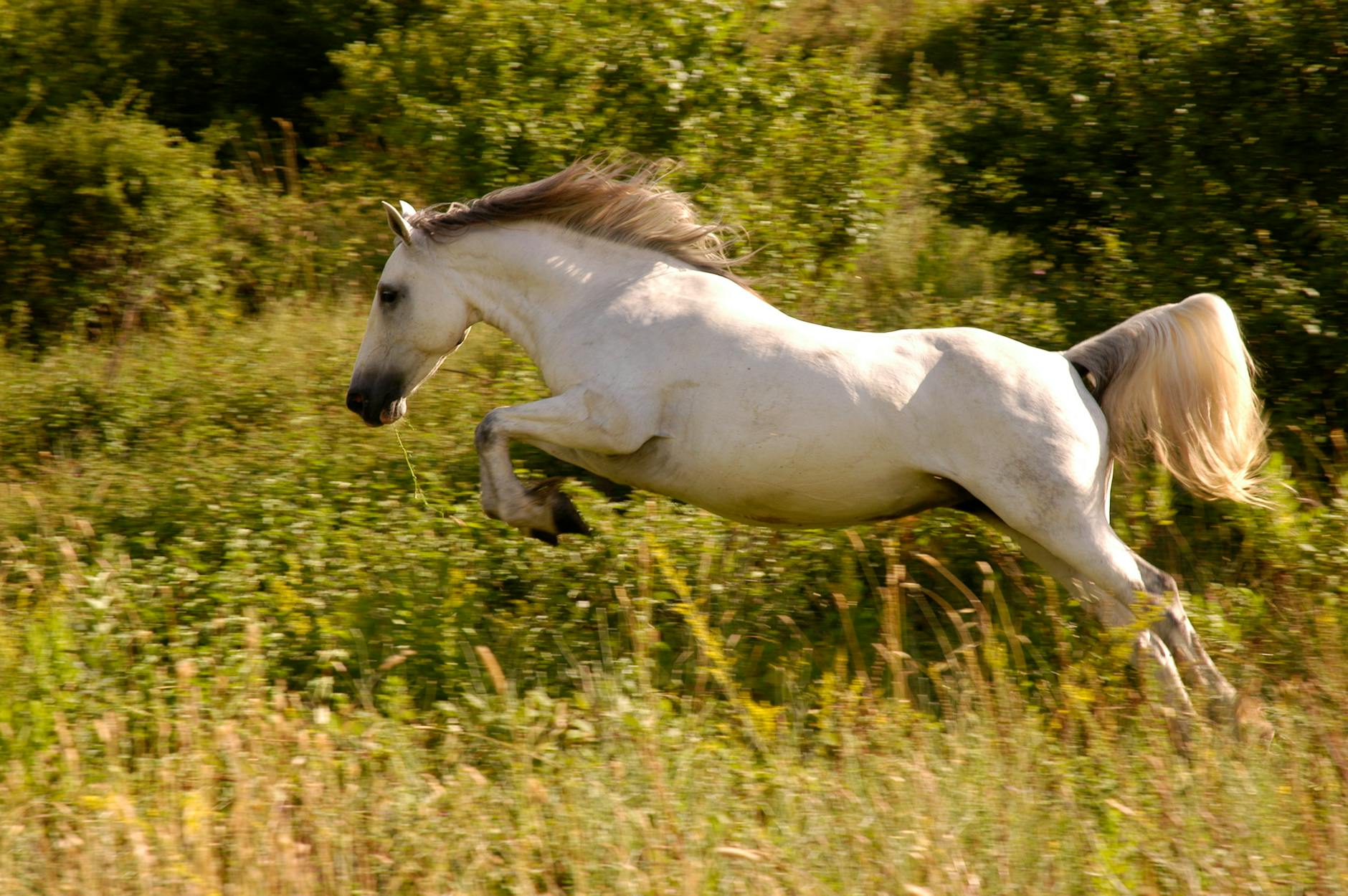
Building Trust Through Body Language
Developing trust between you and your horse is essential for a harmonious relationship. I've found that the more you learn to communicate with your horse through body language, the stronger that bond becomes. For example, when approaching a new horse, I always make a conscious effort to move slowly and give them time to assess me. Horses are naturally prey animals, and sudden movements can trigger their flight response.
One of my favorite techniques is to observe how they respond to my presence. If they approach me with curiosity and relaxed body language—ears forward, head low, and a soft eye—I know I’m on the right track. However, if they back away or turn their heads away, it’s a clear sign that I need to give them space.
A fascinating study from the Journal of Equine Veterinary Science highlighted how horses that were trained using positive reinforcement displayed more relaxed body language and were more willing to engage with their handlers. This suggests that when horses feel safe and respected, they are more likely to respond positively to human interaction.
It's also essential to be aware of your own body language. Horses are incredibly perceptive and can sense when we are tense or anxious. I always remind myself to stand tall and relaxed, using an open posture when interacting with my horse. This not only reassures them but also enhances our communication.

Practical Tips from Experience
-
Observe Before Interacting: Spend a few minutes watching your horse before you approach. This gives you insight into their mood and allows you to adjust your own body language accordingly.
-
Use Calm Body Language: When entering a stall or paddock, walk in slowly and keep your body relaxed. Avoid sudden movements that might startle your horse.
-
Pay Attention to Ears and Eyes: Make it a habit to check your horse’s ear positions and eye expressions regularly. This will help you gauge their emotional state and respond appropriately.
-
Create Safe Spaces: Ensure that your horse has areas where they can retreat if they feel stressed. This could be a quiet stall or a sheltered paddock away from the hustle and bustle.
-
Establish Routine: Horses thrive on routine. Try to keep feeding, grooming, and exercise schedules consistent. This predictability can help reduce anxiety.
-
Engage in Positive Reinforcement: Use treats or praise when your horse displays relaxed behavior. This builds a positive association and encourages calm interactions.
-
Monitor for Physical Signs of Stress: Regularly check for signs like rapid breathing or sweating. If you notice these symptoms frequently, assess their environment for potential stressors.
-
Keep Learning: Attend workshops or read books on horse behavior. The more knowledge you have, the better equipped you will be to understand and care for your horse.
Common Questions I Get Asked
What should I do if my horse is always anxious?
It's essential to identify the source of your horse's anxiety. This could be environmental factors, lack of social interaction, or even health issues. I recommend consulting with a veterinarian or an equine behaviorist to develop a tailored plan.
How can I tell if my horse is in pain?
Look for signs such as reluctance to move, changes in posture, and altered eating habits. If your horse seems unusually quiet or aggressive, it may be trying to communicate discomfort. Always consult your vet if you suspect pain.
Why does my horse seem to dislike certain people?
Horses can form opinions based on past experiences. If someone has startled your horse or handled them roughly in the past, they may associate that person with negative feelings. Encouraging positive interactions can help rebuild trust.
Can I train my horse to be more comfortable with handling?
Absolutely! Gradual desensitization and positive reinforcement training can help your horse feel more comfortable with handling and interactions. Consistency and patience are key.
Warning Signs and When to Call Your Vet
While knowing your horse’s body language is crucial for daily care, there are specific warning signs that should not be ignored:
-
Excessive Sweating: This can indicate stress or pain, especially if it occurs without physical exertion.
-
Pacing or Restlessness: If your horse cannot settle down, it may be a sign of anxiety or discomfort.
-
Changes in Eating or Drinking Habits: A sudden decrease in appetite can indicate health issues, while excessive drinking may suggest stress or illness.
-
Unusual Posture: A horse that stands with its head lowered or with a tense body may be in pain or feeling threatened.
-
Nasal Discharge or Coughing: These symptoms could indicate respiratory issues, which require immediate veterinary attention.
-
Lameness or Difficulty Moving: If your horse shows signs of lameness, it’s essential to have them evaluated promptly to prevent further injury.
-
Aggressive Behavior: Sudden changes in behavior, such as biting or kicking, can indicate pain or anxiety.
If you notice any of these signs, don’t hesitate to call your veterinarian. Early intervention is key to ensuring your horse’s health and well-being.
Conclusion
In my experience, understanding horse body language is a vital skill that can transform the way we care for our equine companions. By paying attention to their signals and responding appropriately, we can create a nurturing environment that promotes their emotional and physical health.
I encourage you to explore resources like a gestation calculator if you're considering breeding, as it can help you prepare for the unique needs of pregnant mares. Remember, every horse is an individual, and being attuned to their needs will lead to a more fulfilling partnership.
Together, let’s foster a deeper connection with our horses. They may not speak our language, but their body language tells us everything we need to know.
Disclaimer: This article is for informational purposes only and is not a substitute for professional veterinary advice. Always consult a veterinarian for specific concerns regarding your horse’s health and behavior.


