
Mastering Horse Behavior for Optimal Care and Management
Learn how understanding horse behavior enhances care management, ensuring happier, healthier horses and stronger bonds with their owners.
Understanding Horse Behavior for Better Care Management
Introduction
I remember one chilly autumn morning, standing in the barn with my hands wrapped around a steaming cup of coffee, watching the horses bustle about in their paddocks. Each horse had its own personality, quirks, and little rituals that made them unique. There was Bella, an inquisitive mare who would always approach me first, looking for a scratch behind the ears, while Duke, a spirited gelding, seemed intent on making mischief with anything that moved. Observing their behavior not only made my mornings more enjoyable but also taught me invaluable lessons about their care and management.
Having worked with numerous horses over the years, I’ve come to understand that a deep knowledge of equine behavior can tremendously improve the quality of care we provide. Horses are not just animals; they are complex beings with emotions, social structures, and instincts that guide their actions. This understanding is crucial, especially for horse owners and caretakers who wish to cultivate a healthy, trusting relationship with their animals. By recognizing their behavior, we can enhance their well-being and ensure they thrive in our care.
Understanding horse behavior matters because it directly influences their health and happiness. Horses are prey animals, and their instinctual responses can often be misinterpreted by humans. When we align our management practices with their natural tendencies, we not only reduce stress for the horse but also foster a safer environment for everyone involved. Let’s dive into some key facts that will illuminate the importance of understanding horse behavior.
 Image 1: Understanding horse care begins with observing their behavior and needs.
Key Facts You Should Know
One of the first things I emphasize to new horse owners is that observing behavior can provide insight into a horse’s health. For instance, according to a study from the University of Illinois, horses that display changes in behavior—like increased agitation or withdrawal—should be closely monitored as these can be early signs of health issues.
Moreover, horses are highly social animals. Research published in the Journal of Equine Veterinary Science found that horses kept in pairs or groups exhibited less stress and better overall health compared to solitary horses. This means that if you're considering adding a companion for your horse, it could significantly improve their quality of life.
In my experience, routine is essential for horses. A 2023 study from Cornell University demonstrated that horses thrive on predictable schedules, which can reduce anxiety and improve their overall behavior. So, establishing a consistent feeding and exercise routine can go a long way in making your horse feel secure.
Another important fact is that horses communicate primarily through body language. For example, pinned ears and a tense posture can indicate irritation or discomfort. Understanding these signals can help you address issues before they escalate. Research from the University of California, Davis, highlights that a horse’s body language can convey a wealth of information about its emotional state.
Finally, it’s crucial to remember that every horse is an individual. A study published by the Equine Behavior Research Group found that variations in temperament can affect a horse’s response to training and handling. So, getting to know your horse on a personal level is vital for effective care and management.
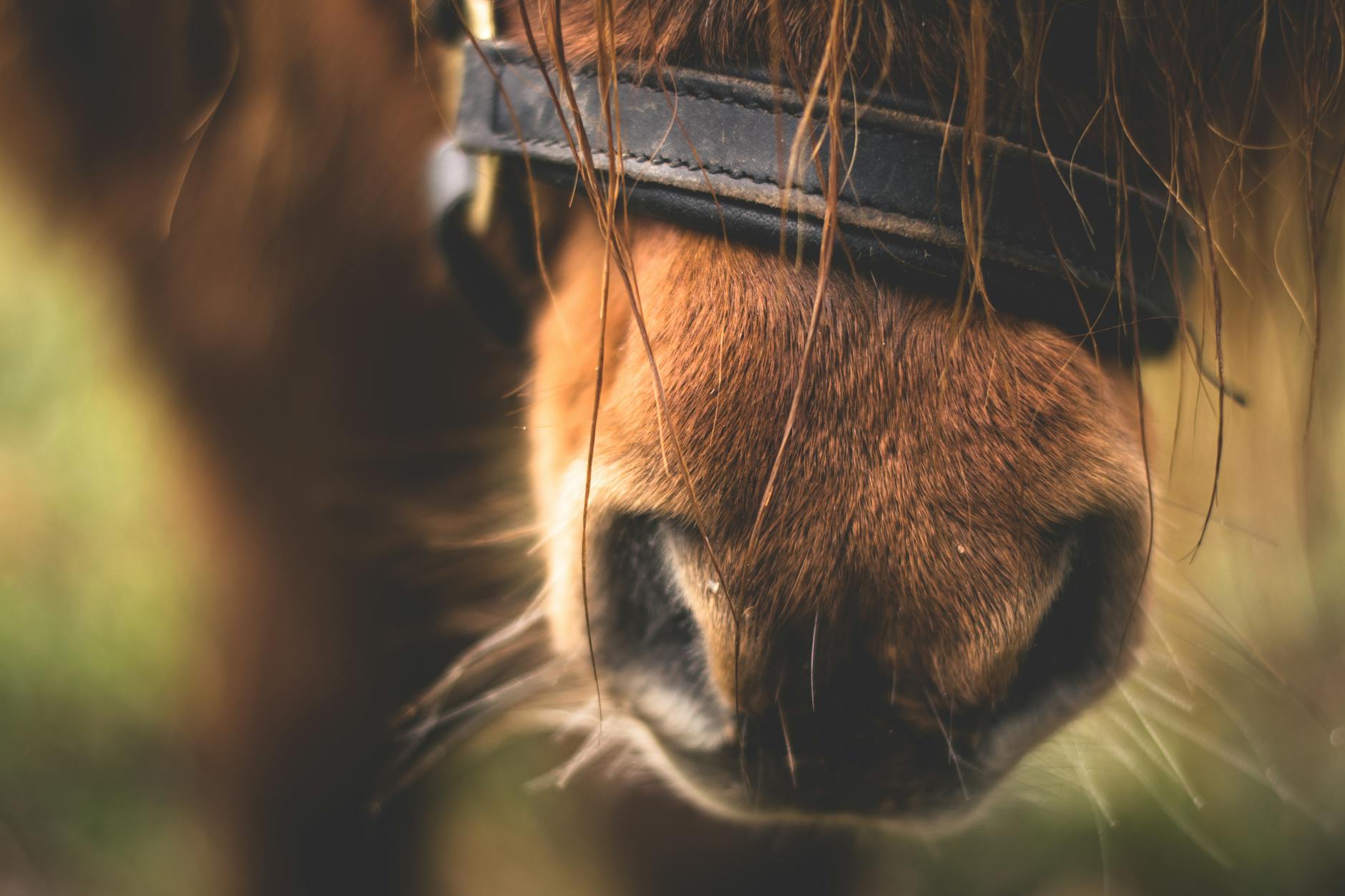 Image 2: Observing your horse's behavior can provide crucial insights into their health and happiness.
The Importance of Social Structures
Horses are herd animals by nature, and their social structures can greatly influence their behavior. In my years of practice, I’ve seen that when horses are isolated, they often develop behavioral issues such as cribbing or excessive stall walking. These behaviors can stem from stress and boredom caused by a lack of social interaction.
Research shows that horses are more likely to exhibit natural behaviors like grooming and playing when they are in the company of other horses. A study published in the Journal of Animal Science found that horses in social groups had lower cortisol levels, indicating reduced stress. This is why I always recommend keeping horses in pairs or groups whenever possible.
However, introducing a new horse into an existing herd can be a delicate process. I've found that gradual introductions, starting with a fence-line meeting, can ease the transition and help prevent potential conflicts. Monitoring their interactions closely during the early stages is essential to ensure everyone gets along.
Also, be aware of the pecking order within your herd. Every horse has its place, and disruptions can lead to stress. If you notice any aggressive behavior, it may be worth consulting with an equine behaviorist to help facilitate a smoother integration.
Understanding Body Language and Communication
Horses are remarkably expressive creatures, and they communicate primarily through body language. This is something I've always emphasized to my clients. Understanding these non-verbal cues can make a significant difference in how we handle and care for our horses.
For example, if a horse is swishing its tail and has its ears pinned back, it's likely feeling agitated or threatened. On the other hand, a relaxed horse will have its ears in a neutral position and may even nicker softly. A study in the journal Applied Animal Behaviour Science found that recognizing these signals can improve the relationship between horse and handler, allowing for more effective training and management practices.
I've found that spending time just observing your horse can reveal so much. One breeder I worked with noticed that her mare would often nudge a specific spot on her belly when she was due for a belly rub. This simple action fostered a deeper bond and allowed for better health monitoring.
In addition to body language, vocalizations also play a role in equine communication. Horses can express a range of emotions through sounds — from deep neighs to soft nickers. Paying attention to these vocal cues can help you understand what your horse needs, whether it's companionship, food, or comfort.
 Image 3: Effective horse management starts with understanding their unique communication style.
Practical Tips from Experience
Here are some actionable tips I've gathered over the years to enhance your understanding of horse behavior and improve care management:
-
Start with a routine: Horses thrive on predictability. I always recommend establishing a daily schedule for feeding and exercise. This can help reduce anxiety and make your horse feel more secure.
-
Observe before interacting: Spend time simply watching your horse in its environment before attempting to interact. This will help you learn its unique behaviors and preferences.
-
Use positive reinforcement: When training your horse, always opt for positive reinforcement rather than punishment. I've seen firsthand how much more effective this approach is in encouraging desired behaviors.
-
Monitor social interactions: If you have multiple horses, keep a close eye on their interactions. Look out for signs of aggression or bullying, and intervene if necessary to prevent stress or injury.
-
Provide enrichment: Bored horses can develop unwanted behaviors. Consider providing toys or activities to keep them mentally stimulated. Simple things like hanging a treat ball can make a big difference.
-
Ensure proper health checks: Regular veterinary check-ups are essential. In my experience, early detection of health issues often stems from observing behavioral changes.
-
Be patient and understanding: Horses are individuals, and each will respond differently to training and care. Take the time to understand your horse's personality and adapt your approach accordingly.
-
Document behaviors: Keep a journal of your horse’s behaviors and routines. This can help identify patterns and changes, making it easier to detect any potential health problems early.
Common Questions I Get Asked
How can I tell if my horse is stressed?
Look for signs such as excessive neighing, pawing, or pacing. Changes in eating habits or sudden aggression can also indicate stress. If you notice these behaviors, it may be time to assess their environment or social interactions.
What should I do if my horse is acting aggressively?
First, stay calm and avoid escalating the situation. Try to identify any triggers and remove them if possible. Consulting with an equine behaviorist can provide tailored strategies for addressing aggression.
Is it normal for my horse to be shy or standoffish?
Yes, just like people, horses have unique personalities. Some may be more reserved than others. Building trust takes time, so be patient and continue to engage positively.
How can I improve my horse’s relationship with me?
Spend quality time with your horse, engaging in grooming or bonding activities. Positive reinforcement during training can also strengthen your relationship.
Warning Signs and When to Call Your Vet
While understanding horse behavior can help in managing their care, it's vital to keep an eye out for warning signs that indicate a need for veterinary attention. Here are some specific signs to watch for:
-
Sudden behavioral changes: If your horse shows unusual aggression, fear, or withdrawal, this may indicate pain or illness.
-
Loss of appetite: A horse that suddenly refuses to eat or drink should be evaluated by a vet, as this can lead to serious health issues.
-
Changes in posture: A horse that stands unusually still or exhibits a tense posture may be in distress.
-
Excessive sweating: If your horse sweats excessively without an obvious cause, it could be a sign of pain or anxiety.
-
Lameness or difficulty moving: Any signs of lameness or reluctance to move should be addressed promptly, as they can indicate injury or underlying health issues.
-
Coughing or nasal discharge: These can be signs of respiratory illness and should be evaluated by a veterinarian.
-
Colic symptoms: If your horse is rolling, pawing at the ground, or showing signs of discomfort in the abdomen, contact your vet immediately, as colic can be life-threatening.
Conclusion
Understanding horse behavior is a journey that requires patience, observation, and a willingness to learn. By fostering a deeper connection with your horse, you not only enhance their quality of life but also create a fulfilling partnership. Remember to utilize tools like gestation calculators for breeding mares and keep an open line of communication with your vet.
As you navigate this rewarding journey of horse ownership, never hesitate to reach out for help or guidance. Our equine companions depend on us for their well-being, and the more we understand them, the better caretakers we can be. If you have any questions or need further information, don’t hesitate to ask. Happy riding!
Disclaimer: This article is for informational purposes only and should not replace professional veterinary advice.


